The Evergreen Funnel Architecture
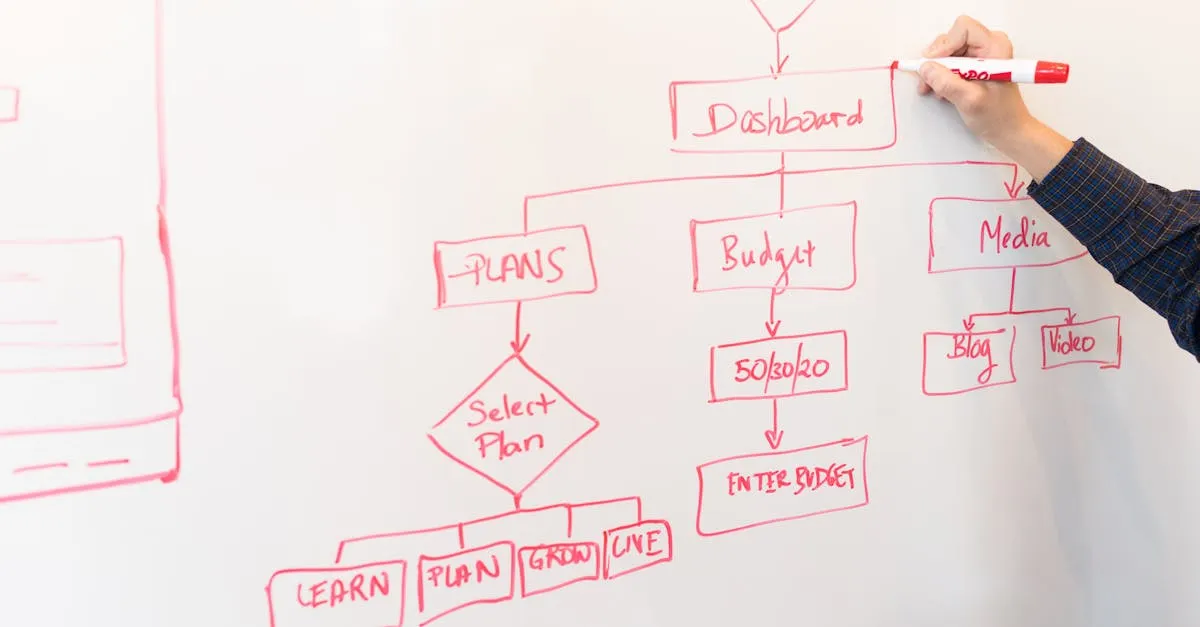
In the last lesson, you chose your model. Now let’s map the architecture for each approach.
Path A: The Always-Open Architecture (Simple)
This is the path I use for my notary courses. It’s refreshingly simple:
Traffic → Sales Page → Checkout
That’s the entire architecture. Three pieces.
Traffic: People find you through search engines, blog posts, social media, word of mouth, or paid ads. The key is consistency — you need a steady stream of visitors, not bursts.
Sales Page: Your permanent sales page does all the selling. It needs to answer every question, address every objection, and make buying the obvious next step. This is where you earn the sale on the strength of your offer — not the cleverness of your funnel.
Checkout: A simple payment process. Stripe, PayPal, or GHL Payments. One page, minimal fields, instant access after purchase.
What You Need to Build
- One well-written sales page (you built this in Write Your Sales Page)
- One checkout process connected to your course platform
- A traffic source (SEO, content marketing, or paid ads)
- That’s it
Always-Open Conversion Math
If your sales page converts at 1.5% and you get 50 visitors per day:
- 50 visitors × 1.5% = 0.75 sales per day
- ~23 sales per month
- At $197 per course = $4,531/month in revenue
Not glamorous. But it’s consistent, it’s honest, and it compounds as your SEO traffic grows. A year from now, 50 visitors/day might be 200 visitors/day without you doing anything differently.
Path B: The Deadline-Based Funnel Architecture (Full)
This is the more complex model with more moving parts — and higher conversion rates:
Traffic → Opt-in → Value Delivery → Nurture → Deadline → Sale
Traffic
People need to find you. Paid ads (Facebook, Instagram, Google) are the most common source for deadline-based funnels because you need enough volume to justify the complexity.
Opt-in
They land on a page and give you their email in exchange for something valuable — a free guide, checklist, or mini-training. The opt-in page does exactly one thing: convert visitors into subscribers. GHL, Leadpages, and Instapage all work well here.
Value Delivery
Immediately deliver what you promised. No “confirm your email” hurdles. No waiting. Give them the value while their interest is peaked.
Nurture
Build trust through a short email sequence — typically 5-7 messages over several days. Prove you understand their problem and have a solution.
Deadline
The personal countdown timer starts when they opt in. After 3-7 days, their special pricing or bonuses expire. This is what pushes the conversion rate higher than always-open.
Sale
They buy your course. The sales page they land on is the same one from the always-open model — it just has a countdown timer added.
What You Need to Build
- One opt-in page offering a lead magnet
- 5-7 emails adapted from your best launch emails
- A deadline timer (Deadline Funnel, Countdown Hero, or GHL built-in)
- Your existing sales page (with timer embedded)
- A payment system
- A traffic source (usually paid ads)
Which Architecture Should You Build?
Start with Path A (always-open) if:
- You’re not sure which model fits yet
- You want to validate that your sales page converts before adding complexity
- Your audience arrives with internal urgency
- You’re driving free traffic
Start with Path B (deadline-based) if:
- You’ve already proven your offer converts at a healthy rate
- You’re investing in paid ads and need maximum conversion
- Your price point is $300+ and buyers benefit from a structured process
- You’ve run live launches and want to automate what already works
The upgrade path: Many course creators start with always-open, see that their sales page converts, then add the deadline-based funnel on top to increase conversion rates. You don’t have to choose one forever. Start simple. Add complexity when the data justifies it.
The Minimum Viable Funnel (For Either Path)
Whatever you build, start minimal:
Always-open minimum: One sales page + one checkout + one traffic source.
Deadline-based minimum: One opt-in page + five emails + one deadline timer + one sales page + one checkout.
Not a webinar. Not a video series. Not a 21-day challenge. Just the essentials.
I’ve seen creators spend six months building elaborate funnels that never launch. Meanwhile, someone with a clear sales page and a checkout link makes their first sale this week.
Your Action Step
Decide: Path A or Path B? Then map it on paper before you touch any software. Write out what happens at each stage. Identify what you need to create. Build the minimum viable version first.
Keep going — you're making progress through Sell Your Course on Autopilot (Evergreen Funnels).
Need help? Email me ↗