When and How to Ask for Testimonials
Other people can do a much better job convincing someone to buy your course than you can. That’s the power of testimonials. A student who got real results and shares their experience authentically is more persuasive than the most polished sales page.
But getting good testimonials doesn’t happen by accident. It requires a system.
When to Ask
Timing is everything. Ask too early and students haven’t experienced results yet. Ask too late and they’ve moved on emotionally. The sweet spots:
After Quick Wins (1-2 weeks in)
Once a student has completed the first few lessons and gotten their first result, ask for a micro-testimonial. This doesn’t have to be a full story — just a sentence or two about their initial experience.
“You’ve completed the first module — congratulations! I’d love to hear your first impressions. What surprised you most so far?”
These early testimonials are useful because they address the objection “Will this work for me?” — the exact question new prospects are asking.
After Module Completion (ongoing)
Every time a student finishes a major module, trigger a testimonial request focused on that section’s outcome:
“You just finished the [Module Name] section. What was your biggest takeaway? Would you mind sharing a sentence or two about what you learned?”
After Course Completion
This is the most common time to ask, and it produces the most powerful testimonials. The student has the full picture and can speak to the overall transformation.
At Milestone Celebrations
If a student shares a win in your community or replies to your email with results, that’s a testimonial opportunity. Don’t let those moments pass:
“That’s amazing! Would you be willing to share that story as a testimonial? I’d love to feature your experience on the course page.”
The Specific-Result Testimonial Method
Generic testimonials (“Great course!”) are nearly useless for marketing. You want specific-result testimonials that tell a story. Here’s a 4-question framework that produces them consistently:
Question 1: Before State “What was your situation before you started the course? What was the problem or frustration you were dealing with?”
This gives you the relatable starting point that prospective students identify with.
Question 2: Specific Impact “What specific result have you achieved since taking the course? Be as specific as possible — numbers, dates, measurable changes.”
This is the money question. “I improved my workflow” is weak. “I cut my content creation time from 4 hours to 90 minutes per piece” is powerful.
Question 3: Favorite Element “What was your favorite lesson or module? What specifically made it valuable?”
This gives you a testimonial that also serves as a course preview — prospects read it and think “I want to learn that too.”
Question 4: Recommendation “Would you recommend this course to someone in a similar situation? Why?”
This is the close. A clear “yes” with a reason is the most shareable testimonial format.
Tools for Collecting Testimonials
VideoAsk (by Typeform)
A video-based collection tool that guides students through your testimonial questions. Students can respond via video or text. You can set up branching logic that adapts based on their responses. The guided format produces consistently better testimonials than open-ended requests.
Boast.io
Designed specifically for collecting video testimonials. Students record directly in their browser, and you get a dashboard of organized testimonial content. Includes simple prompts you can customize.
Google Forms
The free, simple option. Create a form with your 4 testimonial questions. Works fine, though the response rate tends to be lower than video-based tools because it feels less personal.
Simple Email Ask
Sometimes the most effective approach is just emailing students directly:
“Hi [Name], I noticed you completed [Course Name] — congratulations! I’m gathering student stories to help future students decide if this course is right for them. Would you be willing to answer 4 quick questions? [Link to form or list questions in email].”
Direct, personal emails get surprisingly high response rates — often 30-40%.
Video vs. Written Testimonials
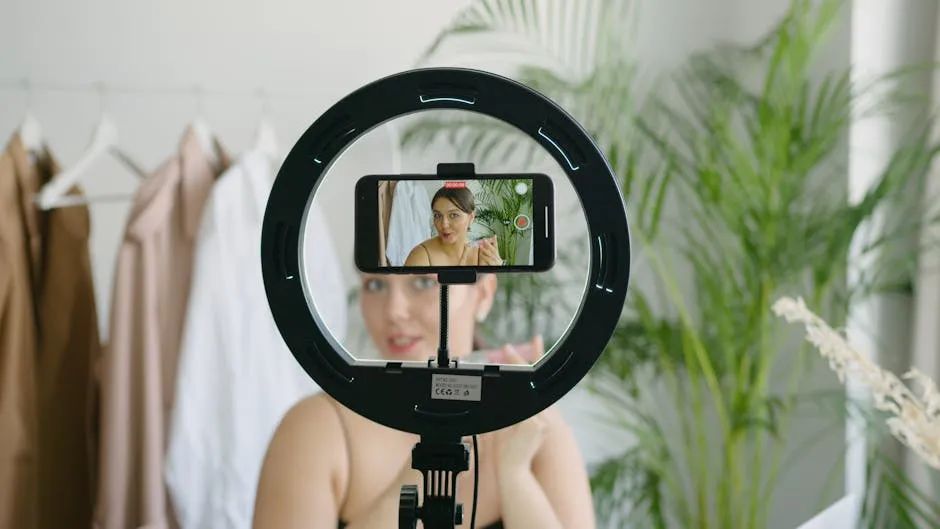
Video testimonials are more powerful for marketing because they’re harder to fake and feel more authentic. They also show the student’s face and emotion, which builds trust. Tips for getting good video testimonials:
- Ask students to face a window for natural lighting
- Suggest a plain background (less distraction)
- Give them specific questions to answer (not “say something nice”)
- Keep it to 60-90 seconds maximum
Written testimonials are easier to collect, easier to display on a sales page, and still effective. A good written testimonial with the student’s name, photo, and credentials can be just as persuasive as video.
Collect both. Some students love being on camera. Others prefer writing. Meet them where they’re comfortable.
FTC Compliance
You can absolutely use student testimonials in your marketing. The key requirements:
- Don’t fabricate testimonials or attribute fake quotes to real people
- Disclose compensated testimonials — if you gave a student a bonus or discount for their testimonial, state that clearly
- Represent typical results — if you share specific outcomes (“student earned $10,000”), note whether that’s typical or an outlier
- Use subgroups for specific claims — “In our live beta cohort of 35 students, 89% completed at least one project” is specific and verifiable
When in doubt, add a disclaimer: “Results may vary. These testimonials represent individual experiences and are not guaranteed outcomes.”
For more on using testimonials in your sales copy, see Write Your Sales Page and Copywriting for Course Creators.
Keep going — you're making progress through Student Success & Course Quality.
Need help? Email me ↗