Platform-Specific Branding
Consistency doesn’t mean identical. Your website and your Twitter feed shouldn’t read the same way. But they should feel like they come from the same person.
When a student encounters you on your website, then sees your Instagram, then reads your welcome email, they should never think “wait, is this the same person?” Mixed signals erode the trust you’re working to build.
The Brand Consistency Checklist
Before we get channel-specific, establish your brand basics:
Voice and tone. Write down 5 adjectives that describe how you sound. Professional but not stiff. Encouraging but not fluffy. Direct but not harsh. Whatever yours are, they should guide every piece of communication you write.
Visual identity. You don’t need a full brand guide. But you need: one font you use consistently, a primary and secondary color, and a headshot you use everywhere.
Core message. One sentence that captures your positioning. This appears (in different forms) on every channel.
Your Website
Your website is your brand headquarters. Everything else points back to it.
Homepage: Within 5 seconds, visitors should know who you are, who you help, and what result you deliver. A headline, a subheadline, and a clear call-to-action. Nothing else above the fold.
About page: Your story (from Lesson 07). Written in first person. 300 to 500 words. A photo. Your positioning statement. Links to your course and email signup.
Course page: The sales page for your course. Outcome-focused headline. Social proof. Module preview. Clear pricing. (We cover this in detail in the Write Your Sales Page course.)
Blog: Optional but powerful for long-term authority. Each post should reinforce your unique mechanism and point of view.
Social Media
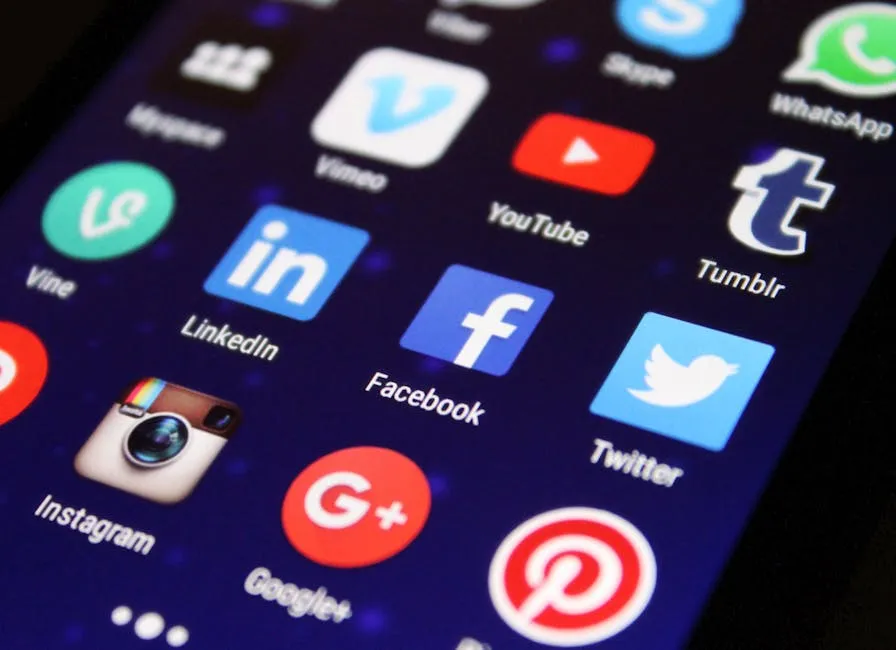
Social platforms are where consistency usually breaks down. You post differently on Twitter than LinkedIn, and neither matches your website.
The rule: Your voice stays the same. Your content adapts to the platform.
| Platform | What Works | Brand Adaptation |
|---|---|---|
| Twitter/X | Hot takes, threads, quick tips | Shorter, punchier, opinion-forward |
| Long-form posts, career stories, frameworks | More professional, experience-driven | |
| Visual content, behind-the-scenes, carousels | More personal, process-focused | |
| YouTube | Tutorials, walkthroughs, Q&A | More educational, depth-focused |
| TikTok | Quick tips, myth-busting, personal stories | More casual, hook-driven |
Same voice. Same positioning. Different packaging.
Your Email List
Email is the most intimate brand channel. Students invited you into their inbox. That trust deserves a consistent voice.
From name: Your real name, not your brand name. People open emails from people.
Subject lines: Consistent tone. If your brand is direct and no-nonsense, your subject lines should be too. “The 3 things killing your course sales” not “Exciting updates inside!”
Signature: Same sign-off every time. Name, title (one line), link to your course.
Frequency: Whatever you commit to, maintain it. Weekly means weekly. If you can only do monthly, say monthly. Breaking your cadence breaks trust.
Your Course Portal
The branding inside your course often gets neglected. Students spend hours here. It should feel like an extension of your brand, not a default template.
- Customize the colors to match your brand
- Add your logo or headshot to the course dashboard
- Use your voice in lesson text, not academic language
- Include personal stories and examples in lesson content
- Record video intros in a setting consistent with your brand (even if it’s your home office)
Most platforms (Teachable, Kajabi, GHL) allow basic customization. Use it. A branded course portal feels like a premium experience. A default template feels like you didn’t care enough to customize it.
The Consistency Audit
Once a quarter, do a 15-minute brand audit:
- Open your website, each social profile, your last 3 emails, and your course portal
- Ask: “Would someone encountering all of these for the first time think they’re from the same person?”
- Fix anything that feels disconnected
Most inconsistencies are small: an outdated bio on one platform, a different headshot on another, a tone shift that crept in over time. Small fixes, big trust impact.
Keep going — you're making progress through Build Your Personal Brand as a Course Creator.
Need help? Email me ↗