Choosing Products Worth Promoting
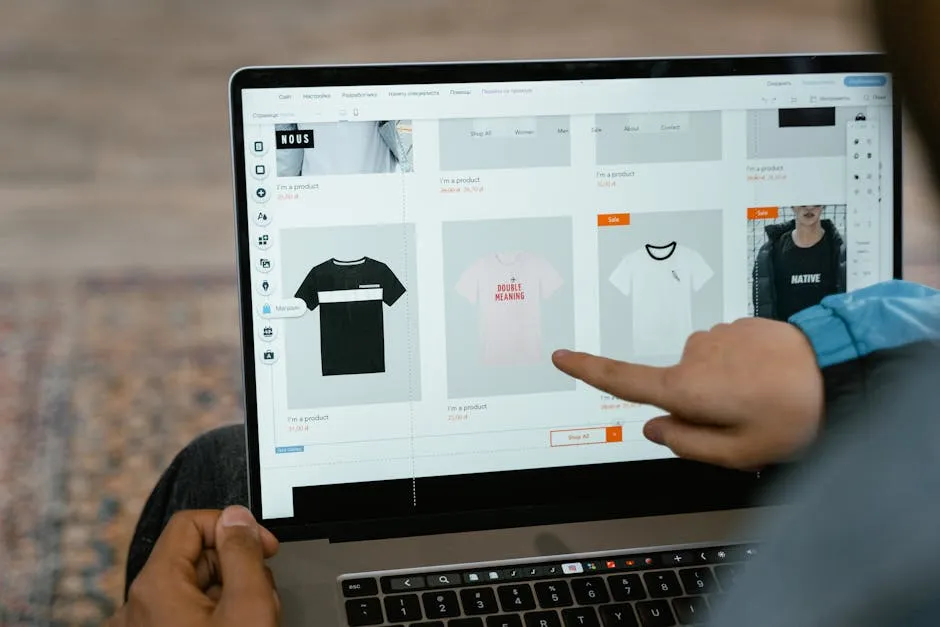
Not all affiliate products are created equal. Promoting the wrong products damages your reputation, wastes your content efforts, and leaves money on the table. Here’s how to choose products worth your time and your audience’s attention.
The Non-Negotiable: Only Promote What You’d Recommend Anyway
This isn’t just ethics — it’s strategy. Your audience trusts you because you’ve earned that trust through valuable content. Every product recommendation is a withdrawal from that trust bank. Promote something mediocre, and you’ve made a withdrawal that’s hard to recover.
The best affiliate products are ones you’d enthusiastically recommend even without a commission. If you wouldn’t mention it in a conversation with a friend who had the same problem, don’t promote it to your audience.
Three Categories of Products to Promote
1. Tools You Actually Use
These are the easiest to promote because you have genuine experience and can speak from a place of authority.
- Software and SaaS: Email marketing tools, hosting, course platforms, design tools, project management software. GoHighLevel (disclosure: I earn a commission if you sign up through my link — at no extra cost to you), for example, offers affiliate programs for course creators who use and recommend their platform.
- Hardware and equipment: Cameras, microphones, lighting, monitors
- Services: Professional services you’ve hired and can vouch for
2. Courses That Complement Yours
If you teach beginner photography, there’s no conflict in promoting an advanced lighting course. You’re helping your students continue their journey — and earning a commission for pointing them in the right direction.
Look for courses that:
- Cover topics you don’t teach
- Serve a different skill level than your content
- Approach your topic from a different angle
3. Resources Your Students Need
Think through your student’s journey. What do they need before, during, and after your course?
- A web development course creator might promote hosting and domain registrars
- A fitness course creator might promote meal prep containers and supplements
- A writing course creator might promote grammar tools and publishing services
Understanding Commission Structures
One-Time vs. Recurring Commissions
One-time commissions pay you once per sale. Common for courses, physical products, and some software.
Recurring commissions pay you every month as long as the customer remains subscribed. This is the holy grail of affiliate income — promote once, earn for months or years. Common for SaaS tools and membership sites.
If you have a choice between similar products, recurring commissions usually win. A $50 one-time commission is less valuable than a $20/month recurring commission if the average customer stays for 6+ months.
Typical Commission Ranges by Category
| Product Category | Typical Commission | Notes |
|---|---|---|
| Physical products (Amazon) | 1-4% | Low percentage, high volume potential |
| Physical products (direct) | 10-25% | Better rates through manufacturer programs |
| Software/SaaS | 20-40% | Often recurring monthly |
| Digital courses | 30-50% | Highest rates, no fulfillment cost |
| Membership sites | 20-40% | Usually recurring |
| Financial products | 10-30% | High ticket can offset lower percentages |
Evaluating a Product Before Promoting
Before you invest time creating content around a product, run it through this checklist:
Conversion potential: Does the sales page look professional? Is the offer compelling? A great product with a terrible sales page won’t convert your traffic.
Cookie duration: How long do you get credit for a sale after someone clicks your link? 30 days is standard; 60-90 days is excellent; 24 hours is poor.
EPC data (Earnings Per Click): Some affiliate networks share this. Higher EPC means the product converts well for affiliates.
Refund rates: High refund rates eat into your commissions and indicate product problems. If you can find this data, use it.
Affiliate support: Do they provide marketing materials? Respond to questions? Pay on time? Poor affiliate support signals a company that doesn’t value its promoters.
Payment reliability: Research the company. Have affiliates reported payment problems? Late payments are a red flag.
Where to Find Products
- Direct programs: Many companies run their own affiliate programs through their website
- Affiliate networks: ClickBank (digital products), ShareASale (varied), Impact (SaaS and brands), Amazon Associates (physical products)
- Your own purchases: Look at your credit card statement — what tools do you pay for monthly?
Start with products you already use and love. The best affiliate content comes from genuine experience, not research alone.
Keep going — you're making progress through Affiliate Marketing & JV Partnerships.
Need help? Email me ↗