Map Your Product Suite
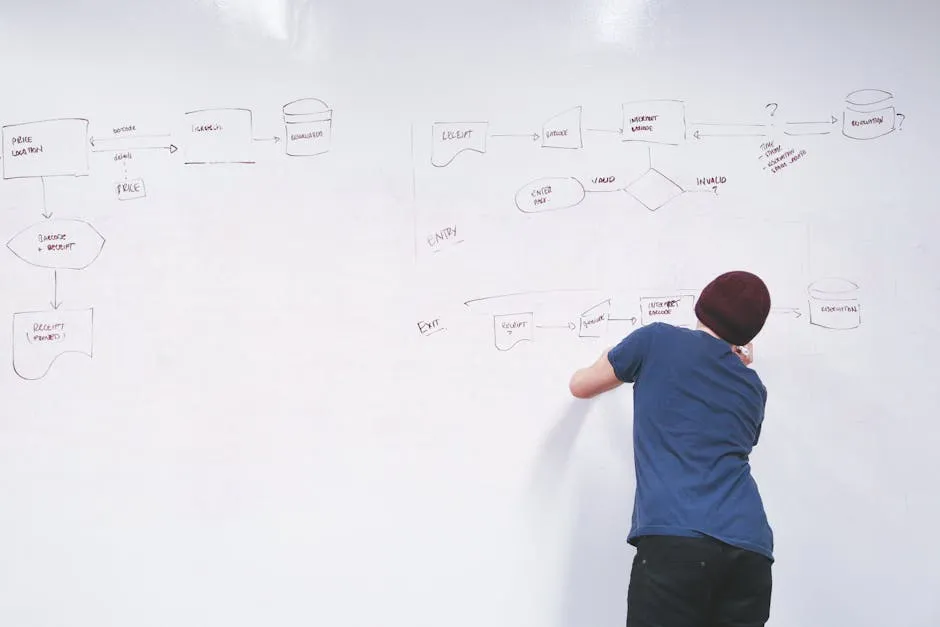
Your Product Ecosystem, Visualized
Before building anything, map the entire ecosystem on paper (or a whiteboard, or a digital tool). A product map is a visual document showing every offer, its price point, its purpose, and how it connects to every other offer.
Most creators skip this step. They build products in isolation, then wonder why nothing sells together. The map prevents that problem. It forces you to see the whole system before committing to any single piece.
The Five Layers
Your product suite organizes into five distinct layers. Each layer serves a specific function in the customer journey.
1. Free Layer — Lead magnets, blog content, free mini-courses, podcast episodes, YouTube videos, social media content. Purpose: attract attention and capture contact information. Every piece of free content should have a mechanism to capture email addresses or direct people to something that does.
2. Entry Layer ($7-47) — Tripwire offers, mini-courses, template packs, ebooks, resource libraries, small toolkits. Purpose: convert free audience members into paying customers. Price low enough that the decision requires no deliberation.
3. Core Layer ($97-497) — Flagship course, signature program, comprehensive training. Purpose: deliver your primary transformation. This is where your deepest expertise lives.
4. Recurring Layer ($27-97/month) — Membership, community access, group coaching, ongoing resource library. Purpose: stabilize revenue with predictable monthly income. See Build a Membership Community for the full membership blueprint.
5. Premium Layer ($1,000+) — One-on-one coaching, mastermind groups, done-for-you services, consulting engagements. Purpose: maximize lifetime value for customers who want personal attention or accelerated results. See High-Ticket Sales Calls for selling at this level.
Mapping the Connections
Each product should lead to the next. The connections are where the money lives. A product sitting isolated from the rest of your ecosystem is a missed revenue opportunity.
Map these specific pathways:
- Free content links to tripwire via email sequences
- Tripwire buyers get upsold to core offer immediately after purchase
- Core offer buyers get invited to membership during or after the course
- Membership members get offered premium as they demonstrate commitment
These pathways should be automated where possible and personal where automation falls short. The goal is that no customer ever finishes an interaction with you and wonders “what should I do next?”
The Connection Rules
Four rules govern how your products connect:
-
Every free offer should lead to a paid offer. No dead ends. A lead magnet that dumps someone onto your homepage with no clear next step wastes the attention you worked to capture.
-
Every paid offer should have a “next step” offer. Customers who just bought something are in buying mode. Capitalize on that state by presenting the next logical investment immediately.
-
No two products should compete with each other. If you have two courses solving the same problem at similar price points, you have created confusion. Customers do not buy when confused; they leave.
-
Every product should serve a distinct customer need. The free layer addresses awareness. The entry layer addresses initial commitment. The core layer addresses transformation. The recurring layer addresses support. The premium layer addresses personalization and speed.
Your Map Template
Use this structure to document your ecosystem. Fill in each bracket with your specific offer name.
FREE:     [lead magnet name] → [tripwire]
ENTRY:    [tripwire name] → [core offer]
CORE:     [course name] → [membership]
RECURRING:[membership name] → [premium]
PREMIUM:  [coaching/mastermind name]
Copy this into a document. Complete it with your actual products or planned products. If you have blanks, those are gaps to fill. If you have multiple items in one layer competing, those are redundancies to resolve.
Common Mapping Mistakes
- Too many products at the same price point creates confusion. Three courses priced at $197 forces customers to compare and analyze rather than buy.
- Gaps between layers cause customers to fall through. If your tripwire is $27 and your core offer is $497, that jump is too large for many buyers.
- Products that cannibalize each other steal sales from your core offer. A $47 ebook that covers the same material as your $297 course trains customers to bypass the premium option.
- No clear “next step” from each product leaves revenue on the table.
Map first. Build second. Revise as you learn what actually converts.
Keep going — you're making progress through Create Your Product Suite.
Need help? Email me ↗