Growing from 0 to 1,000 Subscribers

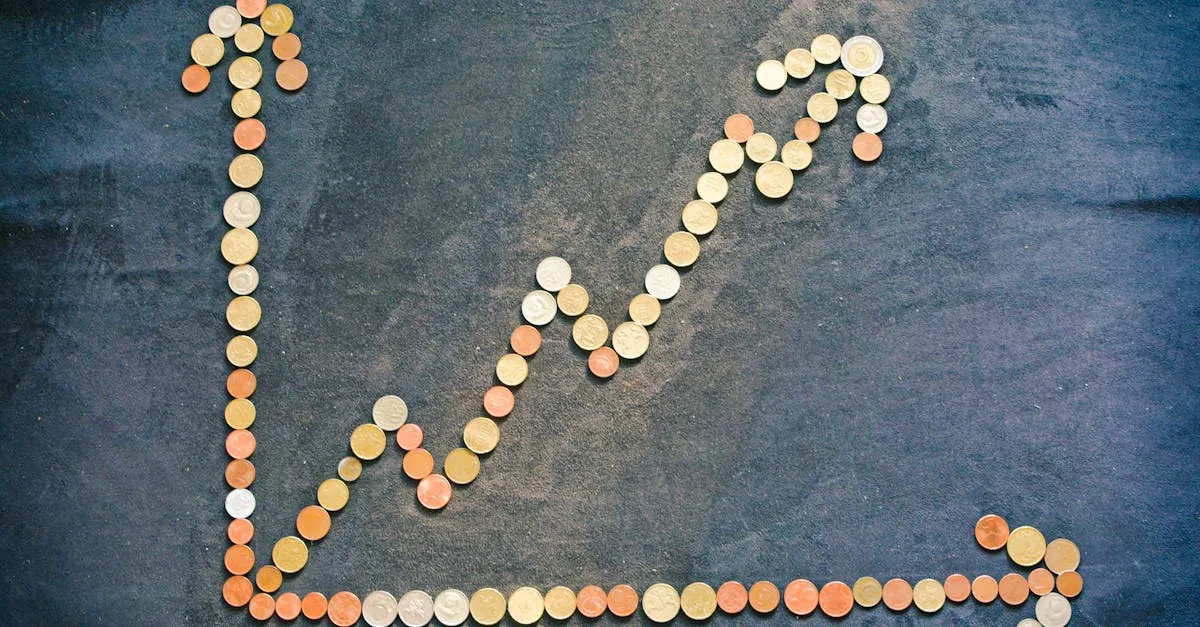
One thousand subscribers. It sounds like a lot when you’re at zero. It’s not. It’s the beginning — the point where your list starts to feel like a real asset.
The path breaks into three phases.
Phase 1: 0 to 100 (Warm Network)
Your first 100 subscribers come from people who already know you.
Email your contacts. Not a mass spam blast. Individual emails to people you think would genuinely benefit from your lead magnet. “Hey, I made this free checklist for [thing]. Thought you might find it useful. No obligation.”
Post on your personal social media. Not your business page — your personal profile. Friends, family, former colleagues. These are your early supporters. They’ll subscribe because they care about you, even if your topic isn’t their primary interest.
Tell your existing audience. If you have any following — even 50 followers on social media, a small Facebook group, a Slack community you participate in — mention your lead magnet. Not once. Multiple times over several weeks.
Offer it in relevant online communities. Not spamming — genuinely participating in groups where your ideal student hangs out and offering your resource when it’s relevant to the conversation.
100 subscribers should take 1-2 weeks. If it takes longer, your lead magnet might not be compelling enough. Go back and sharpen it.
Phase 2: 100 to 500 (Content + Consistency)
This phase is about showing up consistently and making your lead magnet visible everywhere.
Publish content weekly. One blog post, one video, or one long social post per week. Each piece links to your lead magnet. The content demonstrates your expertise. The link captures interested readers.
Guest on 3-5 podcasts or YouTube shows. Preparation: identify shows your ideal student listens to. Pitch the host with a specific topic you can speak about. When you’re on, deliver genuine value. At the end, mention your lead magnet. Many hosts will let you share a URL.
Create 2-3 social posts per week about your lead magnet. Not the same post repeated. Different angles: “Here’s what’s inside,” “Here’s a quick tip from the checklist,” “Here’s what someone said after using it.”
Cross-promote with other creators. Find creators with similar audience sizes (100-500 subscribers) and complementary topics. Feature each other’s lead magnets in your welcome emails or newsletters.
100 to 500 should take 1-3 months. This is the grind phase. The numbers move slowly, but every subscriber counts.
Phase 3: 500 to 1,000 (Compounding Growth)
Something shifts around 500 subscribers. Not overnight, but gradually.
Your content starts working harder. Those blog posts you wrote in Phase 2 are ranking on Google. Those social posts are getting shared. Your early subscribers are telling friends. The flywheel starts turning.
Consider paid traffic. With a proven opt-in page and welcome sequence, you’re ready to put money behind it. Start small: $5-10/day on Facebook or Instagram ads. Measure your cost per subscriber and optimize from there.
Launch your first small offer. A mini-course, a workshop, a template pack. Something in the $27-97 range. Email your list about it. Even if only 2-3% buy, that’s 10-30 sales — and proof that your list is worth building.
Collaborate with larger creators. At 500 subscribers, you’re more attractive as a collaboration partner. Guest swap with creators who have 1,000-5,000 subscribers. The audience gap isn’t so large that it feels imbalanced.
500 to 1,000 should take 2-4 months. The pace accelerates because you have more content, more social proof, and more data about what works.
Why 1,000 Matters
One thousand subscribers is a psychological milestone for you and a practical one for your business:
- You have enough data to know what email content works
- You can make meaningful revenue from a launch (even a 2% conversion rate = 20 sales)
- You’re no longer “testing” — you’re building
- Collaborations become easier because other creators take you seriously
But here’s the thing most people miss: the tactics that get you to 1,000 are the same tactics that get you to 5,000. More content. More consistency. More mentions of your lead magnet. The only difference is time and compounding.
The Anti-Strategy
What doesn’t work: buying email lists. GDPR in Europe and Canada’s CASL outright prohibit emailing people who never consented — and a purchased list is exactly that. CAN-SPAM in the US is no loophole either: it requires honoring opt-outs promptly, which is meaningless when nobody on the list asked for your email in the first place. Beyond the legal exposure, it kills your deliverability, and those people didn’t ask to hear from you. Even if a vendor claims the list is “opt-in,” those people didn’t opt in to hear from you. Don’t do it.
What Comes After
Once you have subscribers, you need to send them something worth reading. That’s Part 2 of this course: writing emails that build trust and sell your course.
First, let’s cover the five types of emails every course creator needs.
Keep going — you're making progress through Email Marketing for Course Creators.
Need help? Email me ↗