Simplified Campaign Structure
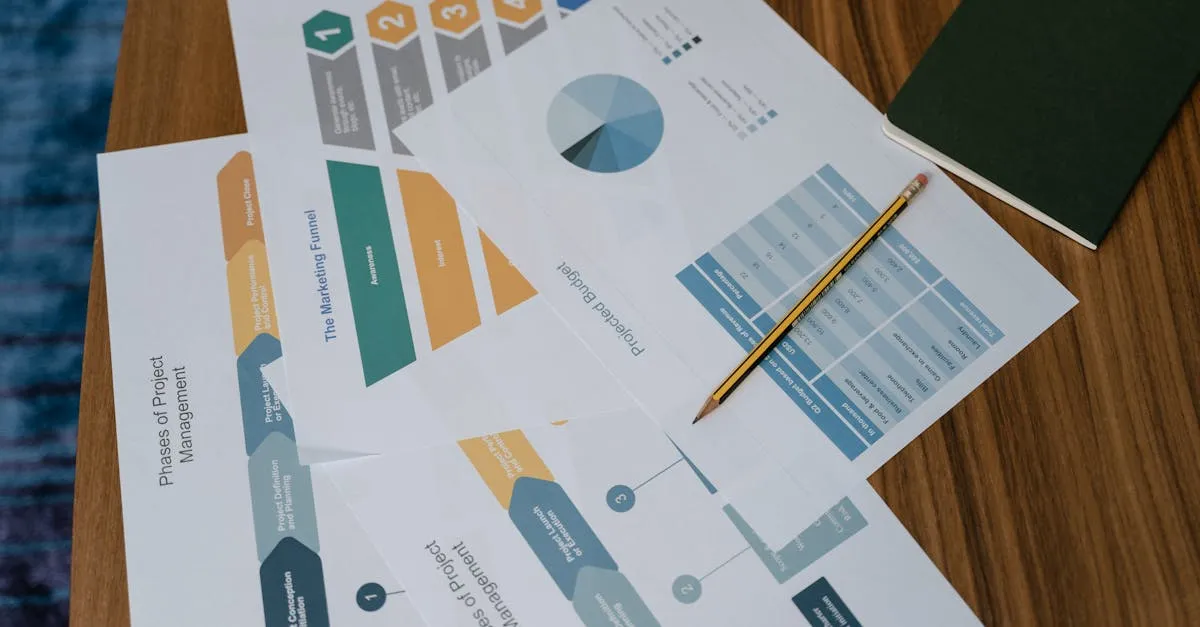
If you’ve taken any Facebook Ads course before 2024, you probably learned to build separate campaigns for cold audiences, warm audiences, and hot audiences. You were told to create intricate funnel structures with custom audiences, lookalikes layered on top of lookalikes, and retargeting campaigns for every possible touchpoint.
Throw that out. All of it.
In my years in education, first as a college dean training over 39,000 professionals, and now helping course creators scale their businesses, I’ve seen plenty of “best practices” become obsolete. The complex campaign structure is the latest casualty.
Why Complex Structures Died
The old approach made logical sense on paper. Show awareness content to cold people, consideration content to warm people, and conversion content to hot people. Separate campaigns for each. Tight control over where every dollar went.
But here’s what actually happened: You’d spend hours building these elaborate structures, only to watch Meta’s algorithm ignore your careful segmentation. The platform was smarter than your setup, but your setup prevented it from working optimally.
Meta’s algorithm in 2026 has evolved dramatically. It now understands user intent, purchase readiness, and content affinity at a level that makes manual segmentation not just unnecessary—but actively harmful.
When you force users into predetermined buckets, you’re telling the algorithm “I know better than you.” You don’t. Neither did I. Neither does anyone.
The 2026 Formula: Fewer Campaigns, More Creative
The winning approach today is deceptively simple:
1-2 campaigns maximum, multiple ad sets for different angles, and lots of creative variations.
That’s it.
Campaign Budget Optimization (CBO) Is Your Friend
Campaign Budget Optimization allows Meta to distribute your budget across ad sets based on performance. Instead of you deciding how much to spend on each audience segment, the algorithm shifts money in real-time toward what’s working.
Here’s why this matters: At any given moment, some people in your audience are ready to opt in today, some need to see your ad three more times, and some aren’t ready at all. The algorithm knows which is which. You don’t.
With CBO, when someone needs retargeting, they’ll naturally see more of your ads. When someone is ready to convert on first exposure, they’ll get served the conversion-focused creative. The algorithm handles this segmentation invisibly and more effectively than you ever could manually.
The Two Campaigns Course Creators Actually Need
For most course creators, your entire Facebook and Instagram ads presence can be distilled into two campaigns:
Campaign 1: Lead Generation (Essential)
This is your primary campaign. The goal is simple: get people onto your email list by offering something valuable for free.
The Lead Magnet Funnel:
- Ad offers a free resource (checklist, template, mini-training, guide)
- User clicks and lands on your opt-in page
- User enters email to access the resource
- Automated email sequence nurtures toward course purchase
This works because it mirrors how education actually functions. You provide value first, build trust, then offer the deeper transformation. As a former dean, I can tell you this is exactly how successful academic programs attract students—demonstrate expertise through free or low-cost content, then invite deeper engagement.
Ad Set Structure for Lead Gen:
- 2-4 ad sets testing different audience interests or broad targeting variations
- 3-5 creative variations per ad set (different hooks, formats, visuals)
- Let CBO allocate budget to winners
Campaign 2: Direct Sales (Optional)
Once your lead gen campaign is profitable and you have a proven offer, you can test a direct sales campaign. This sends traffic straight to your course sales page.
I recommend most course creators wait on this until they’ve optimized their email funnel. The lead magnet approach almost always produces better ROI initially because you’re capturing contact information for follow-up.
Creative Variation Is Your Real Leverage Point
With simplified campaign structure, your creative becomes exponentially more important. Instead of building 15 campaigns, build 2 campaigns with 15 creative variations each.
Types of creative to test:
- Talking head videos with different hooks
- Text-based graphics with statistics or questions
- Screen recordings showing your course platform
- Testimonial compilations
- Before/after transformations
- Carousel ads walking through your methodology
Each variation should test a different angle or hook while maintaining consistent messaging about your core offer.
Landing Page Setup
For your lead magnet funnel, you need a reliable landing page builder. I recommend GoHighLevel as the primary choice for course creators because it handles landing pages, email automation, and CRM in one platform. (I earn a commission if you sign up through my link — at no extra cost to you.) This simplifies your tech stack considerably.
Alternatives worth considering:
- Leadpages – Simple, reliable, great for quick landing pages
- Instapage – More advanced testing capabilities for experienced marketers
Whatever you choose, your opt-in page needs:
- Clear headline stating the value
- Bullet points of what they’ll receive
- Minimal form fields (name and email only)
- Mobile-optimized design
- Fast load times
Connecting to Your Email System
The lead magnet funnel only works if your email follow-up is strong. Once someone opts in, they should enter an automated sequence that:
- Delivers the promised resource immediately
- Provides additional value over 5-7 days
- Introduces your story and methodology
- Makes a soft pitch for your course
- Addresses common objections
- Creates urgency with a limited-time offer
If you need help building this sequence, I cover the complete framework in Email Marketing for Course Creators. The ads get you the lead—the email converts the sale.
Your Implementation Checklist
Before launching your simplified campaign structure:
- Create or identify your lead magnet offer
- Build your opt-in page in GoHighLevel (or Leadpages/Instapage)
- Set up your email automation sequence
- Install Facebook Pixel and Conversions API
- Create 10-15 creative variations
- Structure your campaign with CBO enabled
- Set 2-4 ad sets with different targeting approaches
- Launch with a daily budget you can sustain for 7+ days
- Commit to not making changes for at least 3 days
The course creators winning in 2026 aren’t the ones with the most complex funnel diagrams. They’re the ones with the simplest structures, the strongest creative, and the patience to let Meta’s algorithm do its job.
Simplify your structure. Amplify your creative. Trust the machine.
Keep going — you're making progress through Facebook & Instagram Ads for Course Creators.
Need help? Email me ↗