Scaling Without Killing Your ROI
You’ve found a winning ad. Your cost per lead is where you need it. Conversions are flowing. Now comes the moment that destroys more campaigns than any other: scaling.
In my years training professionals, I’ve watched countless course creators take something profitable and murder it by scaling too fast, too aggressively, or with the wrong strategy. They go from $50/day to $500/day overnight, their ROAS collapses, and they conclude “ads don’t work.”
Ads work. Your scaling approach didn’t.
The Two Types of Scaling
Vertical scaling means increasing the budget on ad sets that are already working. You’re pouring more fuel into a proven engine.
Horizontal scaling means taking your proven creative and testing it against new audiences. You’re finding new engines to run.
Most beginners only do vertical scaling. They find one winning audience and keep cranking the budget until it breaks. Smart advertisers do both.
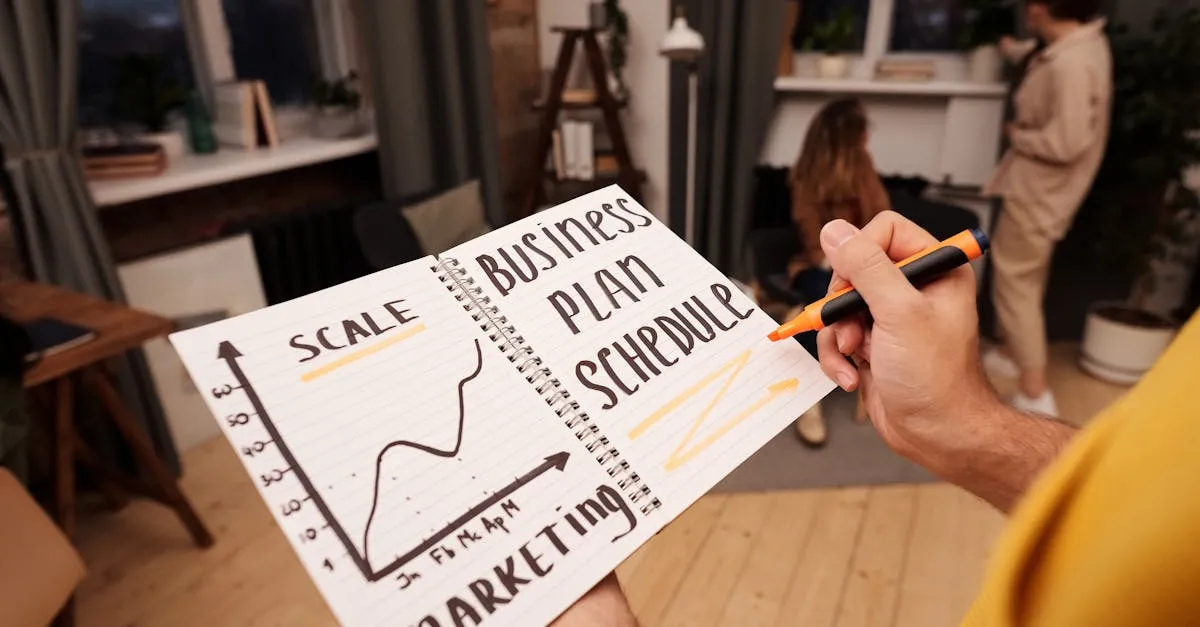
Vertical Scaling: The 20% Rule
Vertical scaling is powerful but fragile. Meta’s algorithm has optimized for a specific spend level. When you dramatically increase budget, you force the algorithm to find new people. Those new people rarely convert as well.
Increase budget by no more than 20% every 2-3 days.
If your winning ad set is at $50/day:
- Day 1-2: $50/day
- Day 3-4: $60/day (20% increase)
- Day 5-7: $72/day
- Day 8-10: $86/day
- Day 11-13: $103/day
Over two weeks, you’ve doubled your spend—but given the algorithm time to adjust at each level.
The Budget Scaling Progression
For newer campaigns:
- Start at $5-10/day per ad set
- Winners graduate to $10-25/day
- Scale by $10-25 every 3-4 days
- Once above $100/day, switch to the 20% rule
When Vertical Scaling Fails
If your ROAS drops after a vertical scale, scale back by the exact same amount you increased. Don’t panic and kill the ad set—just return to the previous level.
If results tank after a full week on the scaled budget, cut by 50% and launch genuinely new creative. The audience may be fatigued.
Horizontal Scaling: Replicate, Don’t Guess
Horizontal scaling builds sustainable, diversified ad accounts. You’re taking proven creative to fresh audiences.
What to test horizontally:
- New interest categories related to your course topic
- Lookalike audiences at different percentages (1%, 2%, 3%, 5%)
- Additional countries where your course has demand
- Different age brackets within your target range
- Broad audiences with proven creative (surprisingly effective in 2026)
Test new audiences with proven creative, not new creative with proven audiences. Creative is harder to get right. When you change too many variables, you can’t diagnose what worked or failed.
The CBO Transition Point
When you have 3-5 audiences each spending $50-100/day profitably, consolidate them into a single Campaign Budget Optimization (CBO) campaign.
CBO lets Meta distribute your total budget across ad sets based on performance. Instead of managing five separate budgets, you set one campaign budget and let Meta find the most efficient allocation.
Why wait? CBO needs data to optimize. One winning ad set and four unproven ones means Meta wastes money exploring the losers. Build your winners first, then let CBO optimize between them.
Creative Refresh Cycles
Creative fatigue is inevitable. Even your best ad will stop working.
Every 2-4 weeks, introduce genuinely new creative.
“Genuinely new” doesn’t mean changing the background color. It means:
- A different hook in the first three seconds
- A different format (talking head → screen recording)
- A completely different angle on your course’s value
- Testimonials from different students
- A new offer structure or bonus highlight

When you refresh creative, keep your proven audiences running. You’re replacing the creative, not the targeting.
Retargeting Scales Differently
Retargeting audiences are smaller and more precious. Scale conservatively:
- Increase by 10% or $5-10/day maximum
- Only scale every 7 days
- Watch frequency closely—once it passes 3-4, performance drops regardless of budget
Retargeting is about efficient conversion, not volume. A small, profitable retargeting campaign is a feature, not a problem.
The Stability Principle
Here’s a counterintuitive rule: if your ROAS is climbing and CPA is dropping consistently, wait to scale.
Rising performance means the algorithm is still learning and improving. Scaling during this phase interrupts optimization. Wait until results stabilize for 3-4 days, then scale by 20%.
Too many advertisers see improving numbers and immediately push budget up. They interrupt momentum and wonder why performance collapsed.
Your Scaling Checklist
Before scaling, confirm:
- The ad set has 50+ conversions
- ROAS is profitable at current spend
- Results stable for 3+ days
- You have budget room without cutting other winners
Then:
- Vertical scale by 20%, wait 2-3 days, check ROAS
- If ROAS holds, repeat
- If ROAS drops, revert and try horizontal scaling instead
- Every 2-4 weeks, refresh creative
- At 3-5 winning audiences at $50-100/day, consolidate to CBO
Scaling isn’t about aggression—it’s about patience. The course creators who win at ads treat scaling as a disciplined process, not an emotional reaction to good numbers.
Protect what’s working. Grow it carefully. Never double your budget overnight.
Keep going — you're making progress through Facebook & Instagram Ads for Course Creators.
Need help? Email me ↗