The 11-Day Launch Structure
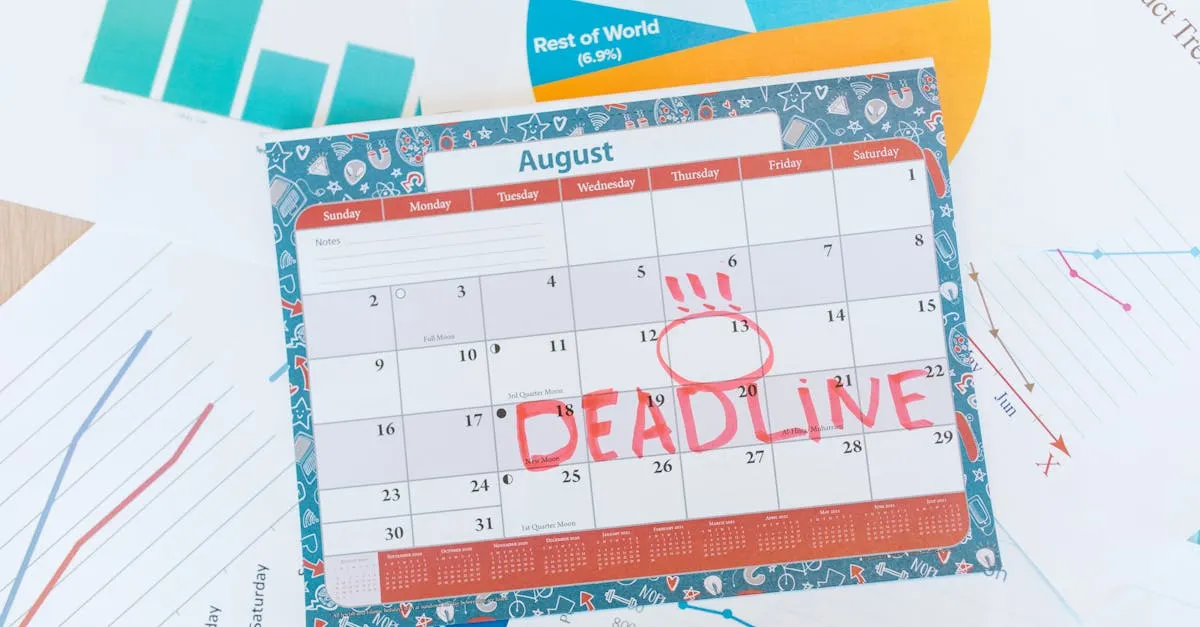
Here’s the structure: 11 days of open cart. Tuesday of week one through Friday of week two.
This isn’t the only possible length. Cart-open periods range from 5 days to 5 weeks depending on audience size, price point, and experience level. But for your first launch, 11 days is the sweet spot — long enough to build momentum, short enough to maintain urgency.
The Sales Curve
Before we break down the timeline, understand how sales flow during a launch:
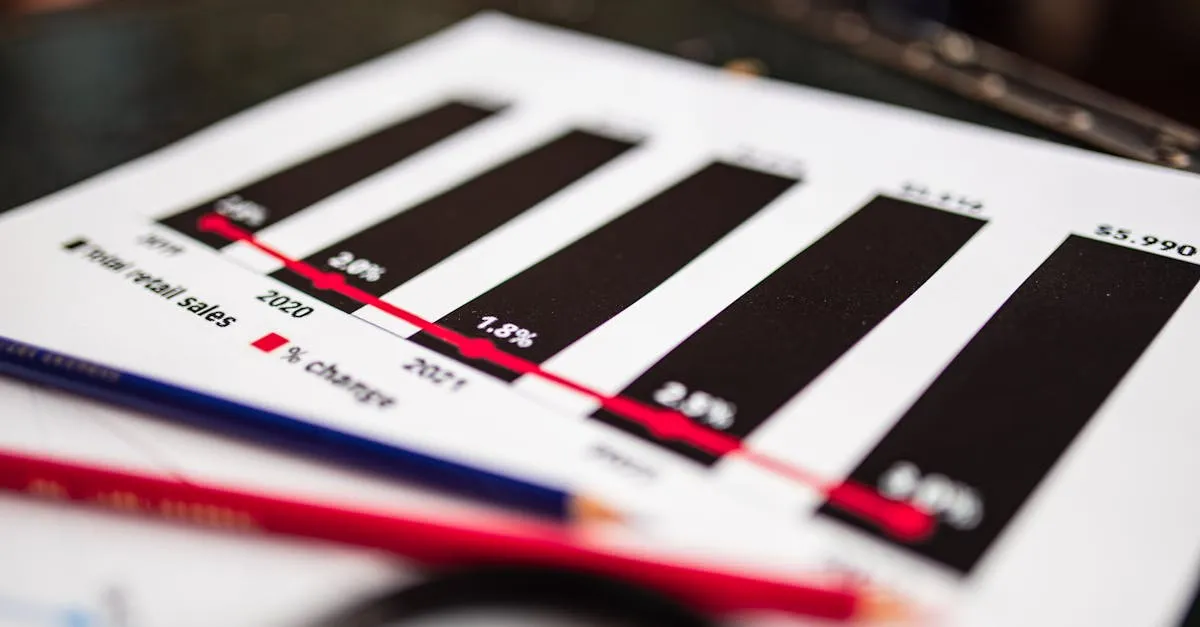
Day 1 (cart open): Spike. Your pre-sold buyers — the people who’ve been waiting for this — enroll immediately. Maybe 10–20% of your total sales.
Days 2–8 (the middle): Slow. Sometimes painfully slow. Sales trickle in. You’ll refresh your dashboard and wonder if you made a mistake. You didn’t. This is normal.
Days 9–11 (the close): Massive spike. Up to 50% of your total launch sales come in the final 48 hours. The deadline forces fence-sitters to decide.
This pattern repeats across almost every launch, regardless of industry, price point, or audience size. The middle feels dead because there’s no urgency. The end explodes because there is.
The Three Phases
Phase 1: Announce (Days 1–3)
Your job here is simple: tell people what you’re selling, who it’s for, and why now.
- Cart-open email: Clear subject line. Quick recap of the offer. Link to the sales page. Short and direct.
- “What’s inside” email: Module breakdown. What they’ll learn. Who it’s for (and who it’s not for).
- Early bird deadline: If you’re offering a first-48-hours bonus or discount, mention it here. Creates day-1 urgency.
You’re not hard-selling yet. You’re making sure everyone on your list knows the course is available.
Phase 2: Address Objections (Days 4–7)
Now that people know the basics, the questions and doubts start surfacing. “Is this worth the price?” “Do I have time?” “Will this work for my specific situation?”
Your job: answer those questions before they kill the sale.
- Case study or student result email: Show someone who got the result your buyer wants.
- FAQ email: “Is this right for me if I’m a complete beginner?” Answer the questions you’re getting in DMs and reply emails.
- “Who this is NOT for” email: Paradoxically effective. By saying who the course isn’t for, you signal confidence and help the right people self-select.
- Behind-the-scenes content: Share a module preview, a worksheet screenshot, or a peek inside the course. Make it tangible.
Phase 3: Close (Days 8–11)
Urgency. Deadline. Last chance.
- 72-hour email: “Three days left. Here’s everything you get.” Full recap of the offer.
- 48-hour email: “The cart closes Friday at midnight.” Plus your strongest testimonial.
- 24-hour email: “Tomorrow is your last chance.” Address the #1 remaining objection.
- Day-of emails: 2–4 emails on cart-close day. Morning, midday, afternoon, final call.
- Cart-close confirmation: The morning after, send “Doors are closed.” Confirms you kept your word.
Setting Your Dates
A few practical rules:
- Open on a Tuesday or Wednesday. Mondays are inbox-heavy. People are catching up from the weekend. Tuesday gives you a clean start.
- Close on a Friday. People are in a better mood. They’re thinking about their goals. And you have the weekend to recover.
- Avoid holidays and major events. Nobody buys a course on Christmas. Or during the Super Bowl. Check your calendar.
- Give yourself 2–4 weeks of pre-launch before the open date. (Covered in the next lesson.)
The Middle Is Normal
The most important thing to internalize: the slow middle is not a sign that your launch is failing. It’s a sign that your launch is working exactly like every other launch.
The people who were going to buy immediately already bought. The people who need the deadline haven’t hit it yet. Your job during the middle is to keep showing up, keep providing value, and keep pointing to the deadline. The sales will come.
Next up: the 2–4 weeks before cart opens that make everything else work.
Keep going — you're making progress through Launch Your Course (Even With a Small List).
Need help? Email me ↗