Why Higher Prices Attract Better Students
This sounds counterintuitive. How can charging more money lead to better students? Shouldn’t cheaper courses attract more people and therefore more success stories?
In practice, the opposite tends to hold. Here’s why.
Commitment Follows Investment
When someone pays $27 for a course, their commitment level matches the price. If they never finish it, they’ve lost $27. That’s a rounding error. No urgency. No skin in the game.
When someone pays $497, they’ve made a real financial commitment. They notice that money. They want a return on it. So they show up. They do the exercises. They ask questions. They complete the modules.
This isn’t theory. It’s behavioral economics. People value what they pay for. The higher the price, the higher the perceived value, the higher the commitment to getting results.
Completion Rates Rise With Price
The numbers below are illustrative — directional patterns many creators recognize, not measured benchmarks from any single dataset:
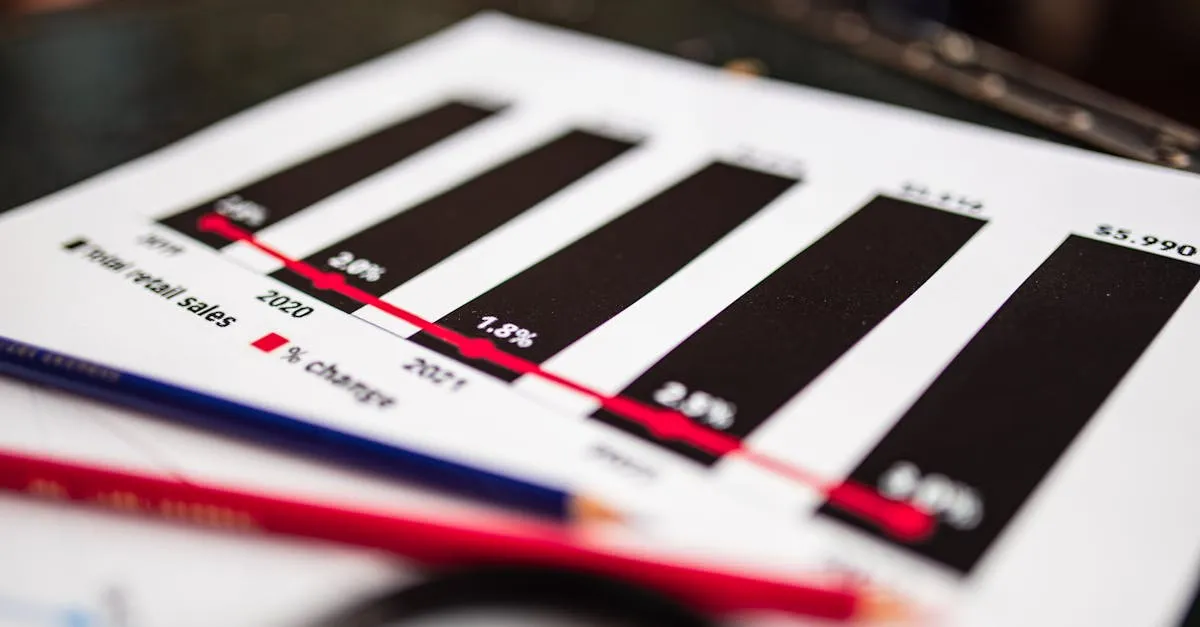
- Free courses: 5-10% completion rate
- $27-47 courses: 10-20% completion rate
- $97-197 courses: 20-40% completion rate
- $297-497 courses: 40-60% completion rate
- $997+ courses: 50-70% completion rate
Higher prices don’t guarantee completions. But they dramatically increase the likelihood because the student has real motivation to follow through.
When more students complete your course, you get more testimonials, more case studies, and more word-of-mouth referrals. Which brings in more students. The flywheel spins.
Refund Rates Drop As Prices Rise
This surprises people. Shouldn’t more expensive courses have higher refund rates? Students are spending more, so they have more to lose.
In practice, the opposite tends to happen. Refund rates for online courses commonly fall along these lines (again, illustrative, not a benchmark):
- $27-47 courses: 5-10% refund rate
- $97-197 courses: 3-7% refund rate
- $297-497 courses: 2-5% refund rate
- $997+ courses: 1-3% refund rate
Why? Because the students who buy premium courses are more committed, more serious, and more likely to do the work. They get results, so they don’t refund.
Cheap courses attract impulse buyers who change their mind. Premium courses attract deliberate buyers who’ve thought about their decision.
Reviews Get Better
Students who invest more and complete the course are more likely to leave positive reviews. They have a tangible result to point to. “I paid $497 for this course and I launched my course in 6 weeks” is a powerful review.
Students who pay $27 and never finish it? They don’t leave reviews. Or they leave a lukewarm review about how it “wasn’t what I expected.”
Better reviews lead to more sales. More sales at higher prices means more revenue with fewer students.
You Can Serve Fewer Students Better
This might be the most practical argument for premium pricing.
At $27 per student, you need 1,000 students to earn $27,000. That’s 1,000 people asking questions, needing support, sending emails, reporting issues. You either ignore them (bad reviews) or hire help (eats into revenue).
At $297 per student, you need 91 students to earn $27,027. Ninety-one people you can know by name, respond to personally, and actually help. The experience is better for you and better for them.
It’s harder to sell 100 courses at $100 than 10 courses at $1,000. The revenue is the same, but the second scenario gives you fewer support tickets, fewer refund requests, and more capacity to actually help your students succeed.
Your Task
Write down your current expected student count at your current price. Then calculate how many students you’d need at 2x and 3x the price to earn the same revenue. Notice how the student count drops. That’s fewer support requests, fewer emails, and more capacity to deliver a great experience.
Keep going — you're making progress through Price Your Course (Without Undercharging).
Need help? Email me ↗