The Art of a Great Interview
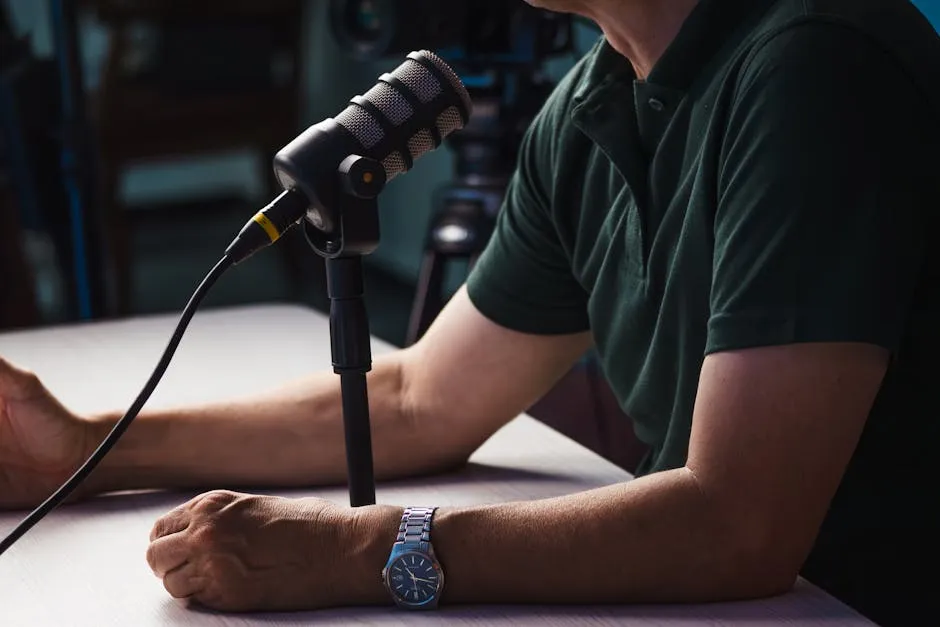
It’s NOT just “asking questions and letting them talk.”
A good interview is guided. A great interview is guided so smoothly the guest doesn’t notice.
Think of it like leading a seminar discussion. You have a roadmap, but the best moments happen when you let the conversation breathe and follow unexpected turns.
Preparation
This is where most interviews win or lose before a single word is recorded.
- Listen to 1-2 of their previous interviews. You’re not looking for what they said — you’re looking for how they say it. Do they give short answers or long ones? Are they nervous? Do they need warm-up questions?
- Research their work. Read the book, skim the course, scan the articles. You need enough context to ask informed follow-ups.
- Prepare 8-10 questions — but be ready to abandon them. If the conversation goes somewhere better, follow it. Your list is a safety net, not a script.
- The best interviews feel like conversations, not interrogations. This starts with how you prepare. If you’re rigidly attached to your questions, it will feel stiff.
The Best Types of Questions
In my years in academia, I watched hundreds of presentations. The ones that landed weren’t the ones with the most information — they were the ones with the best stories.
Same principle here.
Story prompts, not essay questions:
- “Tell me about a time when…” forces specificity
- “What’s your philosophy on X?” invites abstraction — avoid this
Ask for numbers and results:
- “What did your revenue look like before vs after?”
- “How long did that process actually take?”
- Vague answers hide behind vague questions
Ask about mistakes:
- “What’s the biggest thing you got wrong when you started?”
- People are more comfortable sharing failures than you’d expect, and those moments are where the audience learns the most
Ask what they’d tell their past self:
- This question consistently reveals insight that standard questions miss
- It forces reflection and simplifies complex experience into actionable wisdom
Ask for the counterintuitive take:
- “What’s something you believe that most people in your space would disagree with?”
- This almost always produces the most shareable moment of the interview
Follow-Up Questions That Show You’re Listening
Anyone can read from a list. The magic happens in the follow-ups.
- “You mentioned X — can you unpack that?”
- “Wait, say more about that…”
- “That’s interesting. Why do you think that is?”
- “I hadn’t thought of it that way. What shifted your thinking?”
And the most powerful follow-up of all: silence.
Count to three before responding. People are uncomfortable with silence, and they fill it with their best material. I saw this work in faculty meetings for years — someone makes a point, the room goes quiet, and suddenly they elaborate with the insight they were hesitant to say out loud.
Making the Guest the Hero
Your job is to make the guest sound brilliant.
When they sound brilliant, they share the episode. When they share, their audience discovers you. It’s a virtuous cycle.
This doesn’t mean being fawning. It means setting them up to succeed:
- Give context before introducing them (“I was struggling with X until I came across your work on Y…”)
- Don’t interrupt their flow unless they’ve truly gone off track
- If they give a complex answer, summarize it for the audience (“So what I’m hearing is…”)
- End by letting them point listeners somewhere — a book, a course, a free resource
Interview Prep Template
Use this before every interview. Don’t skip it.
GUEST PREP
==========

Guest Name:
Expertise/Background:

3 Things I Want to Learn:
1.
2.
3.

Opening Question (warm, gets them talking):
-

Main Questions (5):
1.
2.
3.
4.
5.

Closing Question:
-

Notes from their previous content:
-

Things to AVOID asking:
-
Fill this out completely. Then put it aside and trust yourself. The preparation gives you the confidence to improvise.
A great interview isn’t about having the perfect questions. It’s about being prepared enough to listen deeply and respond authentically. That’s what guests remember — and that’s what turns a one-time appearance into a lasting relationship.
Keep going — you're making progress through Podcasting for Course Creators.
Need help? Email me ↗