Podcast SEO: Getting Found in Apple, Spotify & YouTube
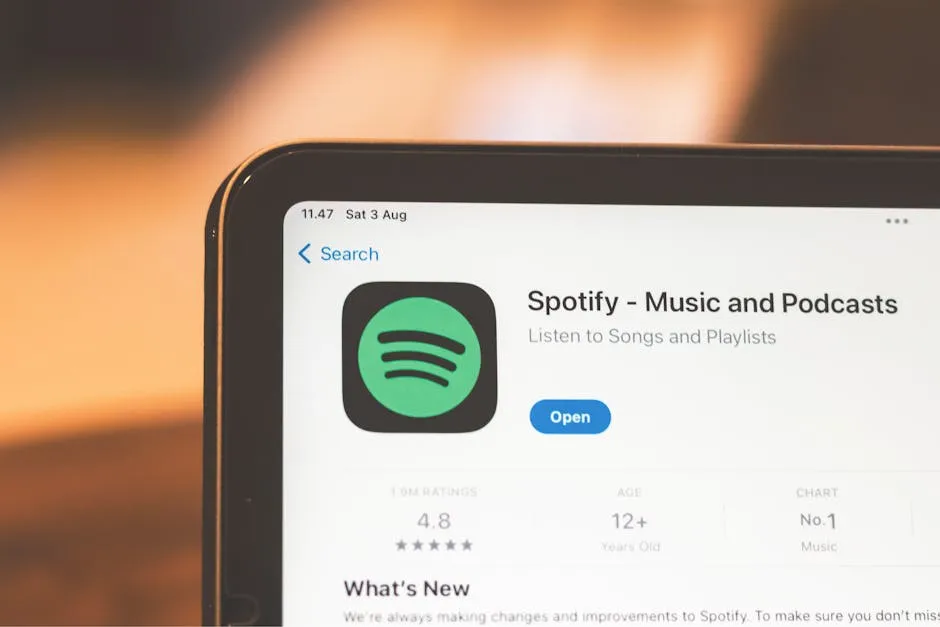
Here’s something that catches course creators off guard: podcast search works nothing like Google search.
Google sends bots crawling across millions of web pages, analyzing links and hundreds of ranking signals. Podcast platforms don’t do that. They’re working with a much smaller, more contained set of data.
What Podcast Platforms Actually Use
When someone searches “course pricing strategies” in Apple Podcasts or Spotify, the algorithm looks at:
- Show title — weighted heavily
- Episode titles — the single biggest lever you control
- Show description — your one chance to explain what the show covers
- Episode descriptions — where specific topics get indexed
- Transcripts — Apple and Spotify now auto-transcribe everything, making your actual words searchable
- Ratings and reviews — Apple uses these as a trust signal
That’s it. No backlink equivalent. No domain authority score. Just the text you provide and the words you speak.
Writing Episode Titles That Get Clicked
Most podcast episode titles are terrible for search. They’re clever, vague, or inside-jokey.
“Episode 47: The Money Talk” tells nobody anything.
Compare: “How to Price a $2,000 Online Course Without Losing Sleep”
The second version contains actual search terms. Someone looking for course pricing advice can find it. The first version disappears.
Use these formats:
- “How to [specific result]” — matches how people search
- “[Number] ways to [specific result]” — implies value and structure
- “[Topic]: What [expert type] Get Wrong” — creates curiosity with keywords
Be specific. “Course Launch Email Sequence” beats “Email Tips.” “Pricing Group Coaching Programs” beats “Pricing Advice.”
The Transcript Advantage
In 2026, Apple and Spotify automatically transcribe every episode you publish. This changed discovery significantly — your spoken words now function as searchable text.
But don’t rely solely on auto-transcription. The accuracy isn’t perfect, and you miss an opportunity.
Generate your own transcript and include it in your show notes. Post the full transcript on your website as a blog post. Now you’ve got:
- Better search indexing in podcast apps
- A blog post that ranks in Google search
- Accessible content for deaf and hard-of-hearing listeners
- Text people can scan before committing to a 40-minute episode
Show Notes That Actually Help
Skip the generic “In this episode, we discuss…” opener. Nobody searches for that phrase.
Write 300-500 words per episode that include your key terms naturally. Think of it as a mini blog post, not a summary.
Include:
- Key terms woven into sentences, not stuffed
- Links to resources you mentioned
- Timestamps for major sections
- Cross-links to your courses, other episodes, and lead magnets
Here’s what solid show notes look like:
“Wondering how to price your first online course? In this episode, we break down the psychology behind course pricing, including why $997 became the industry standard and when you should charge more (or less).
[0:00] Why most new course creators undercharge [4:30] The $997 pricing origin story [11:15] How to research your market’s price tolerance [18:45] Pricing for group coaching vs. self-paced [24:00] Common pricing mistakes that kill conversions”
Notice the specific terms: “price your first online course,” “course pricing,” “group coaching,” “self-paced.” These are words potential listeners actually search for.
YouTube: The Discovery Engine You’re Probably Ignoring
YouTube overtook both Spotify and Apple as the top podcast discovery platform in 2025-2026. If you’re only uploading audio files, you’re missing the largest source of new listeners.
Video podcasts tend to get far more social shares than audio-only episodes — creators often report somewhere around 3x. People clip them, quote them, and share them in ways that don’t work with a plain audio file.
You don’t need a studio. Audio-only content with a static image — your logo, a quote, a title card — works on YouTube. The algorithm doesn’t penalize static video.
YouTube SEO follows similar principles:
- Titles with searchable keywords
- Descriptions of 200+ words with key terms
- Tags — 5-10 relevant tags
- Chapters with timestamps for clickable segments
For deeper SEO training — including how this connects to your overall content strategy — check out Get Found: SEO, AI Search & Content Strategy.
Keep going — you're making progress through Podcasting for Course Creators.
Need help? Email me ↗