Build Your Minimum Viable Course
Your first course doesn’t need to be comprehensive. It needs to work.
Too many first-time creators get stuck in production mode. They record, re-record, edit, redesign slides, obsess over lighting setups. Weeks turn into months. Momentum dies. The course never ships.
Here’s how to avoid that trap entirely.
Three Modules. That’s It.
Your minimum viable course has three modules:
- Where they are now. Acknowledge their current situation. Name the problem. Make them feel understood.
- The framework. Teach the essential concepts or process they need to grasp. Not everything you know. The minimum they need to get unstuck.
- The implementation. Show them exactly how to apply what they learned to produce a specific result.
Three modules. Not seven. Not twelve. Three.
If you can’t distill your topic into three logical chunks, your topic is too broad. A course that promises to “transform your entire business” will overwhelm everyone, including you. A course that promises to “write your first email sequence in 5 days” is focused and doable.
The “Cut Until It Hurts” Test
For every piece of content you’re tempted to include, ask: What happens if I remove this? Can the student still get the result?
If the answer is yes, cut it. Every section, every anecdote, every “helpful bonus” that isn’t strictly necessary for the transformation goes in a parking lot document for later.
Your job isn’t to be comprehensive. A 3-hour course that gets someone a result beats a 20-hour course they never finish.
The average online course completion rate sits around 5–15%. Not because students don’t want to learn. Because the course is too long, too broad, and packed with content that felt essential to the creator but isn’t essential to the student.
Production Quality: Good Enough Is Good Enough
For your first run, production polish is irrelevant. What matters is whether students get a result.
Your minimum viable course can be:
- Live Zoom sessions. Teach in real-time to your beta group. Record the calls. Those recordings become your first version.
- Screen shares. Walk through a process on screen while narrating. No camera needed.
- Written outlines with short walkthroughs. A PDF framework plus a short video explaining how to use it.
- Pure text. If the transformation is clear and the student is motivated, a detailed written guide can work for early validation.
You can improve production later. Right now, focus on clarity and action.
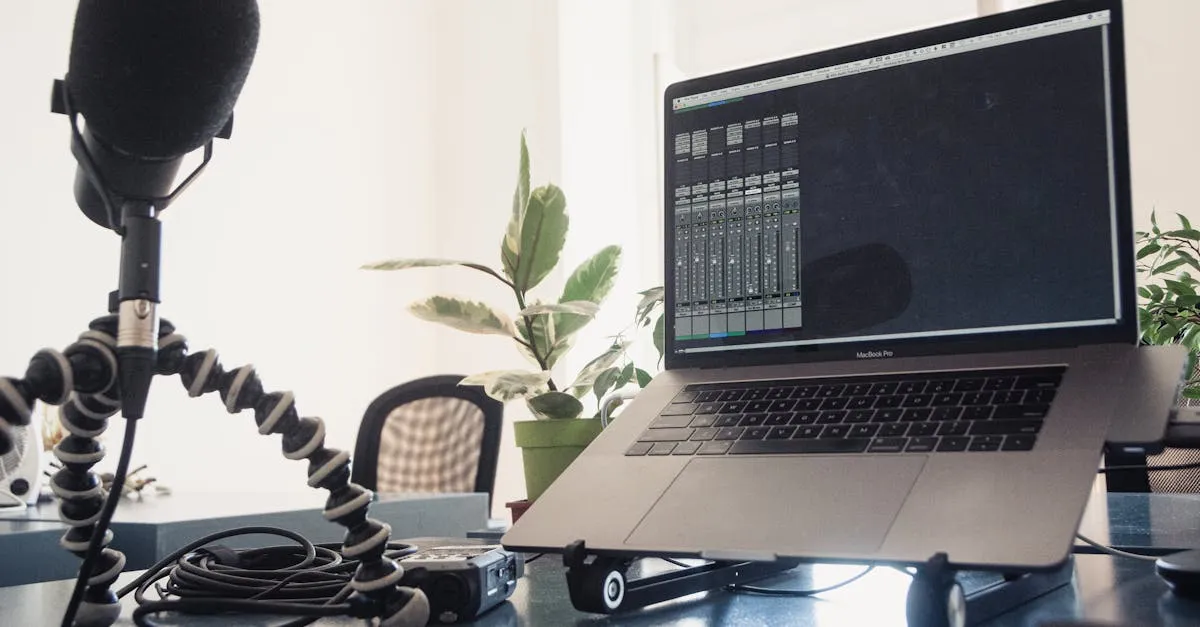
The one thing you should invest in: decent audio. A $50–100 USB microphone (like a Samson Q2U or Audio-Technica ATR2100x-USB) makes a bigger difference than any camera upgrade. Bad video with good audio is watchable. The reverse isn’t true.
One Transformation, Clearly Stated
Your course delivers exactly one outcome. Not five. Not “comprehensive knowledge.” One thing the student can point to and say “I did that.”
Write it as a before/after:
- Before: “I don’t know how to set up an email automation.”
- After: “I have a 5-email welcome sequence live and collecting subscribers.”
If you can’t write a clear before/after statement, your course isn’t focused enough. Keep narrowing.
This before/after becomes the promise on your sales page, the headline of your beta offer, and the filter you use to decide what content stays and what goes.
The Module 1 Quick Win
Make your first module deliver something tangible. A small result. Something the student can point to after the first session and say “I did something.”
Maybe they write their first email. Maybe they outline their course. Maybe they set up their recording space. The specific win depends on your topic, but the principle is the same: give them evidence that this works and that they can do it.
Students who get a quick result in the first module are far more likely to finish the entire course. The ones who sit through an hour of “foundational theory” before doing anything are far more likely to drop off.
What to Build Right Now
Draft your minimum viable course outline:
- Write your before/after promise (one sentence each)
- Name your three modules
- Under each module, list 2–3 lessons (bullet points, not scripts)
- For each lesson, write one sentence describing what the student will do
That’s your entire course plan. One page, maybe two. If it’s longer than that, you’re overcomplicating it.
Got your outline? Next up: selling the thing before you build it.
Keep going — you're making progress through Validate & Launch Your First Course.
Need help? Email me ↗