Gather Feedback That Actually Helps

Your beta students just went through your course. Now you need two things from them: actionable feedback to improve the product, and testimonials to sell it.
These are different goals requiring different approaches. Most creators confuse the two, send one generic survey, and get mediocre results for both.
The 3-Question Feedback Survey
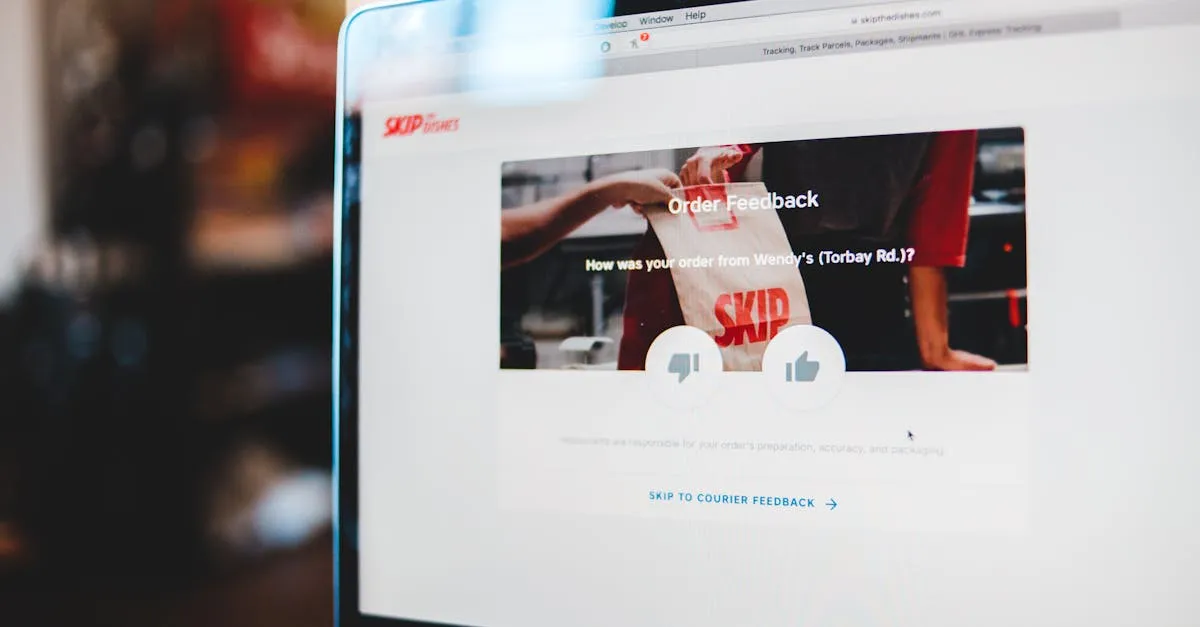
Send this within 48 hours of your final session. Not a week later. Not a month later. 48 hours, while the experience is fresh.
Three questions. That’s it.
1. What worked best for you? This tells you what to keep and what to emphasize in your marketing. If three students say “the implementation module changed everything,” that module becomes the centerpiece of your sales page.
2. What was confusing or didn’t work? This tells you what to fix or cut. Be grateful for critical feedback. The person who says “module two lost me after the first ten minutes” is doing you a massive favor.
3. What’s missing that you wish was included? This tells you what to add. Be careful here. Students will request all sorts of things. Only add what multiple students request and what genuinely supports the core transformation.
Send the survey as a simple Google Form or Typeform. Not a 20-question monster. Three questions, two minutes to complete, high response rate.
Weighting the Feedback
You’ll get conflicting feedback. One student loved module two. Another thought it was too long. One wants more theory. Another wants less theory and more practice.
Here’s how to sort through it:
- One person mentions it — note it, might be a personal preference
- Two or three people mention it — pay serious attention
- Half or more mention it — fix it before launching
Weight feedback from students who completed all the sessions and did the work. If someone skipped half the course and then complains they didn’t get results, their feedback matters less. Harsh but true.
Don’t take criticism personally. You asked for honest feedback and you got it. Your job is to make the course better, not to defend it.
The Testimonial: Ask After the Result, Not After the Course
Most creators ask for testimonials when the course ends. Wrong timing.
Ask after the student gets a result.
If your course teaches people to launch a podcast, ask for a testimonial when they publish their first episode, not when they finish watching the last lesson. The testimonial is about transformation, not completion.
A before/after testimonial is worth ten times a generic “great course” quote.
The Testimonial Prompt
Don’t say “Can you write me a testimonial?” You’ll get “Great course, learned a lot!” which helps nobody.
Use this structure:
“What was your situation before the course, what did you learn or do during it, and what changed as a result?”
This produces specific, credible testimonials:
“Before the course, I was charging $50 per project and working 60-hour weeks. I learned how to position myself as a premium option and price based on value, not hours. Within three weeks, I raised my rates to $200 per project and cut my hours in half.”
Compare that to “Great course, highly recommend!” The first one sells. The second one doesn’t.
How to Ask for Testimonials
Send a personal message, not a mass email. Reference their specific situation and the result they got.
“Hey [Name], I noticed you [specific result they achieved]. That’s great. Would you be willing to write a short testimonial? I have a simple format that makes it easy, or I can draft something for you to approve.”
Offering to draft it removes friction. Some people are happy to edit a draft but won’t write one from scratch. Others prefer writing their own. Give them the option.
When Students Don’t Get Results
Not every beta student will achieve the transformation. That’s normal. Some won’t do the work. Some aren’t the right fit for your course. Some will need more time.
Don’t force testimonials from students who didn’t get results. Instead, ask them what went wrong. Their answers are often the most valuable feedback you’ll receive, because they point to gaps in your course or mismatches between your content and your audience.
Keep going — you're making progress through Validate & Launch Your First Course.
Need help? Email me ↗