Price Your Beta Offer

Free is the most expensive price you can charge for a course.
I know that sounds backward. But I’ve watched hundreds of creators make the same mistake: they offer their first course for free or at a token price like $9, hoping to collect testimonials and feedback.
What they get is a group of people who don’t show up, don’t do the work, and don’t provide useful feedback. Then they conclude their course idea doesn’t work, when the real problem was their pricing attracted the wrong people.
The Psychology of Paying
When something costs nothing, people value it at nothing. Not because they’re cheap. Because the human brain uses price as a proxy for value. Free equals “take it or leave it.” Paid equals “this must be worth something.”
A student who pays $200 for your beta has made a real decision. They looked at their bank account, weighed the cost against other things they could spend that money on, and chose your course. They’re committed.
A student who paid nothing made no decision. They clicked a button because it was there. When life gets busy, your free course is the first thing they drop.
The difference in engagement between a $0 student and a $200 student is dramatic. Not because of the dollar amount specifically, but because of what that dollar amount represents: a decision to invest.
Setting Your Beta Price
Start with your target final price. If you don’t know what that is yet, look at comparable courses in your market. Be honest about where yours fits.
Then apply the 50–70% rule:
| Target Final Price | Beta Price Range |
|---|---|
| $200–300 | $100–200 |
| $400–600 | $200–400 |
| $700–1,000 | $350–700 |
| $1,000+ | $500–700 |
Don’t go below $100 for your beta unless your final price is under $200. Below $100 you enter impulse-buy territory, and impulse buyers exhibit impulse-buyer behavior: low commitment, low engagement, low feedback quality.
The $1,000 Revenue Benchmark
Aim for at least $1,000–2,000 in beta revenue. This isn’t about getting rich from your first run. It’s about two things:
First, enough revenue to justify the time you’ll spend building and delivering the course. If you’re making $200 total, it’s hard to justify spending 20+ hours on live sessions, preparation, and follow-up.
Second, enough revenue to prove real demand. Five people paying $200 each is stronger validation than 50 people downloading something free.
If you hit $1,000+, you have a viable product. If you fall short, you have useful data about either your pricing, your audience, or your offer.
What to Say When Someone Pushes Back
Some people will say your beta price is too high. That’s fine. Those aren’t your students.
When someone says “that’s a lot for a beta,” they’re telling you something important: they don’t value the outcome enough to invest at that level. Thank them and move on.
The people who pay without negotiating are your real market. They’re the ones who believe the outcome is worth the investment. Serve them. Build for them. Use their feedback to make the course better.
Never apologize for your price. State it matter-of-factly. You’re offering access to your expertise and a structured path to a result. That has value. Behave like it.
The “Early Bird” Option
If you want to create a genuine incentive (not fake scarcity), offer an early-bird discount within your beta. Something like:
“First 5 students get the beta at $197. After that, it’s $297.”
This rewards people who act fast and gives you an early signal. If you fill the first five spots quickly, demand is strong. If those spots sit empty for a week, you may need to adjust your messaging or rethink your audience.
The Payment Infrastructure
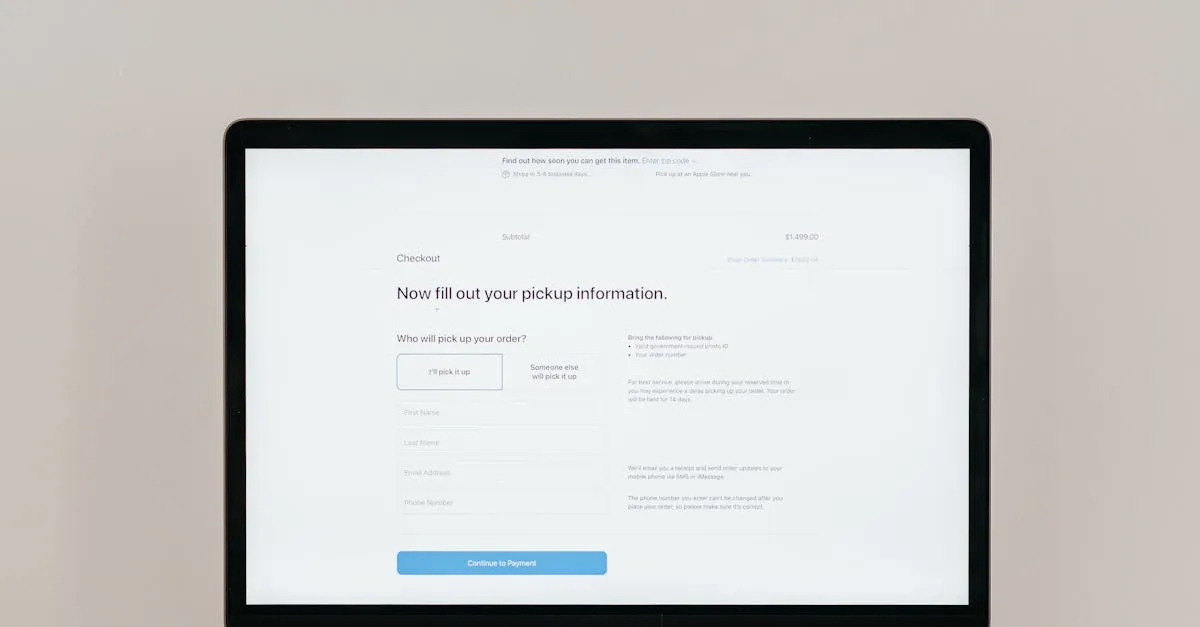
For a beta, you don’t need a course platform. You need a way to collect money and a way to communicate with students.
Payment: Stripe checkout link, PayPal.me, or a simple Calendly booking with payment. Pick whatever takes 10 minutes to set up.
Communication: Create a group chat (Slack, Discord, even a WhatsApp group) for your beta students. Or collect their email during checkout and communicate that way. Keep it simple.
Save the fancy platform for your polished launch. Right now, speed matters more than polish.
Keep going — you're making progress through Validate & Launch Your First Course.
Need help? Email me ↗