The Complete VSL Script Structure
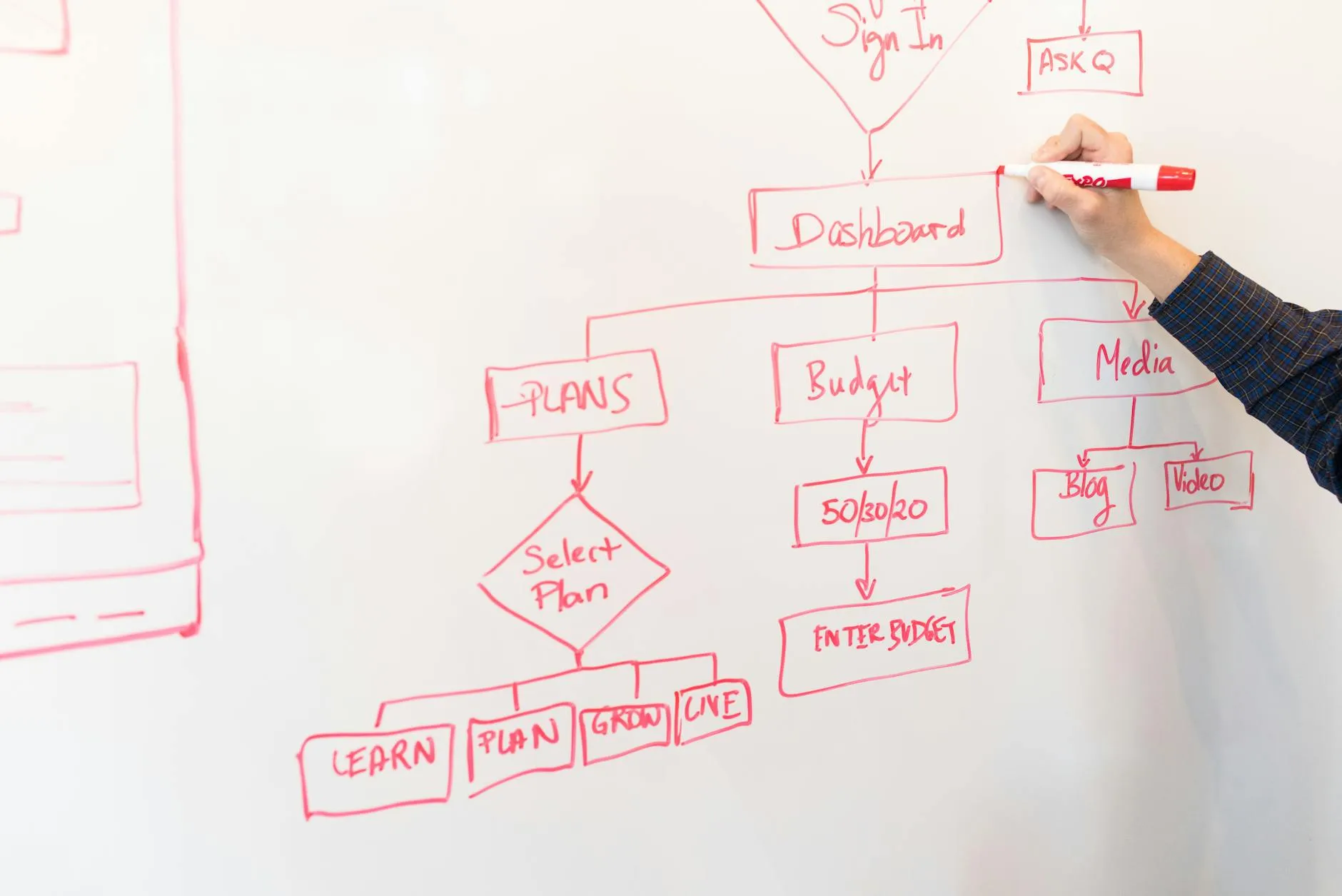
Every effective VSL follows a predictable structure. Not because marketers are uncreative — because this structure mirrors how humans make decisions. You’re guiding someone from unaware to convinced to ready to act.
Here’s the full framework:
- Hook (0:00–0:30) — Pattern interrupt, grab attention, make a promise
- Connection (0:30–2:00) — Who you are, why you understand their problem, build rapport
- Problem (2:00–5:00) — Name the pain. Make them feel it. Agitate.
- Solution (5:00–10:00) — Introduce your course as the answer. High-level, not module-by-module.
- Demonstration (10:00–15:00) — Show it works. Screen recordings, before/after, case studies.
- Social Proof (15:00–20:00) — Testimonials, results, numbers, stories of real students.
- Offer (20:00–25:00) — What they get, modules, bonuses, pricing, payment plans.
- Risk Reversal (25:00–28:00) — Guarantee, “you have nothing to lose” language.
- Urgency (28:00–30:00) — Why buy now. Limited bonuses, expiring pricing.
- Call to Action (30:00–32:00) — Exactly what to do next. Click the button. What happens after they buy.

Breaking Down Each Section
1. Hook (0:00–0:30)
Your first job is to stop the scroll. Pattern interrupts work here — something unexpected that breaks their autopilot. Then make a promise: “Stay with me and you’ll learn [specific outcome].”
The hook doesn’t need to explain everything. It needs to create curiosity about what comes next.
2. Connection (0:30–2:00)
Establish credibility and relatability. Who are you, and why should they listen? This isn’t a full biography — it’s the relevant parts. If you’re teaching course creation, your background as an educator matters. Your hobbies don’t.
The connection also shows you understand their situation. “I know what it’s like to…” builds rapport faster than credentials alone.
3. Problem (2:00–5:00)
Name their problem specifically. Not “you’re struggling” — but “you’ve created a course, launched it, and heard crickets.” Make them feel the pain. Agitate it.
What happens if they don’t solve this? What have they already tried that failed? The problem section makes the solution feel necessary, not optional.
4. Solution (5:00–10:00)
Introduce your course as the answer. Keep this high-level — the big idea, not the module breakdown. You’re selling the transformation, not the table of contents.
This is where you bridge from “here’s what’s wrong” to “here’s how we fix it.”
5. Demonstration (10:00–15:00)
Show, don’t just tell. Screen recordings of your method in action. Before/after comparisons. Walk through a specific technique and show the result.
Demonstration proves your solution works in the real world, not just in theory.
6. Social Proof (15:00–20:00)
Testimonials, results, numbers. Real students with real outcomes. This is where skepticism dies — when they see people like them getting the result they want.
One detailed story often outperforms five generic quotes.
7. Offer (20:00–25:00)
Now you detail what they actually get. Modules, lessons, bonuses. Then pricing and payment options. Make the value feel significantly higher than the price.
Stack the value before you reveal the number.
8. Risk Reversal (25:00–28:00)
Your guarantee removes the remaining hesitation. “Try it risk-free for 30 days. If it’s not for you, get a full refund.” The language should make them feel silly not to try.
9. Urgency (28:00–30:00)
Why buy now instead of later? Limited-time bonuses, expiring pricing, cohort start dates. Be honest here — don’t fabricate scarcity that doesn’t exist.
For more on creating ethical urgency without manipulation, see Sell Your Course on Autopilot.
10. Call to Action (30:00–32:00)
Tell them exactly what to do. “Click the button below. You’ll get instant access. Here’s what happens next.” Remove all friction and confusion.
This Is a Framework, Not a Rigid Template
Some VSLs reorder sections. Some skip the demonstration entirely. Some add a FAQ section to handle objections. Some combine social proof with case studies.
A 15-minute VSL compresses these sections. A 45-minute VSL expands them. The principles stay the same — you’re moving someone from problem to solution to action.
Adapt this structure to your course, your audience, and your natural teaching style.
Keep going — you're making progress through Video Sales Letters.
Need help? Email me ↗