Writing for Spoken Delivery (Not Reading)
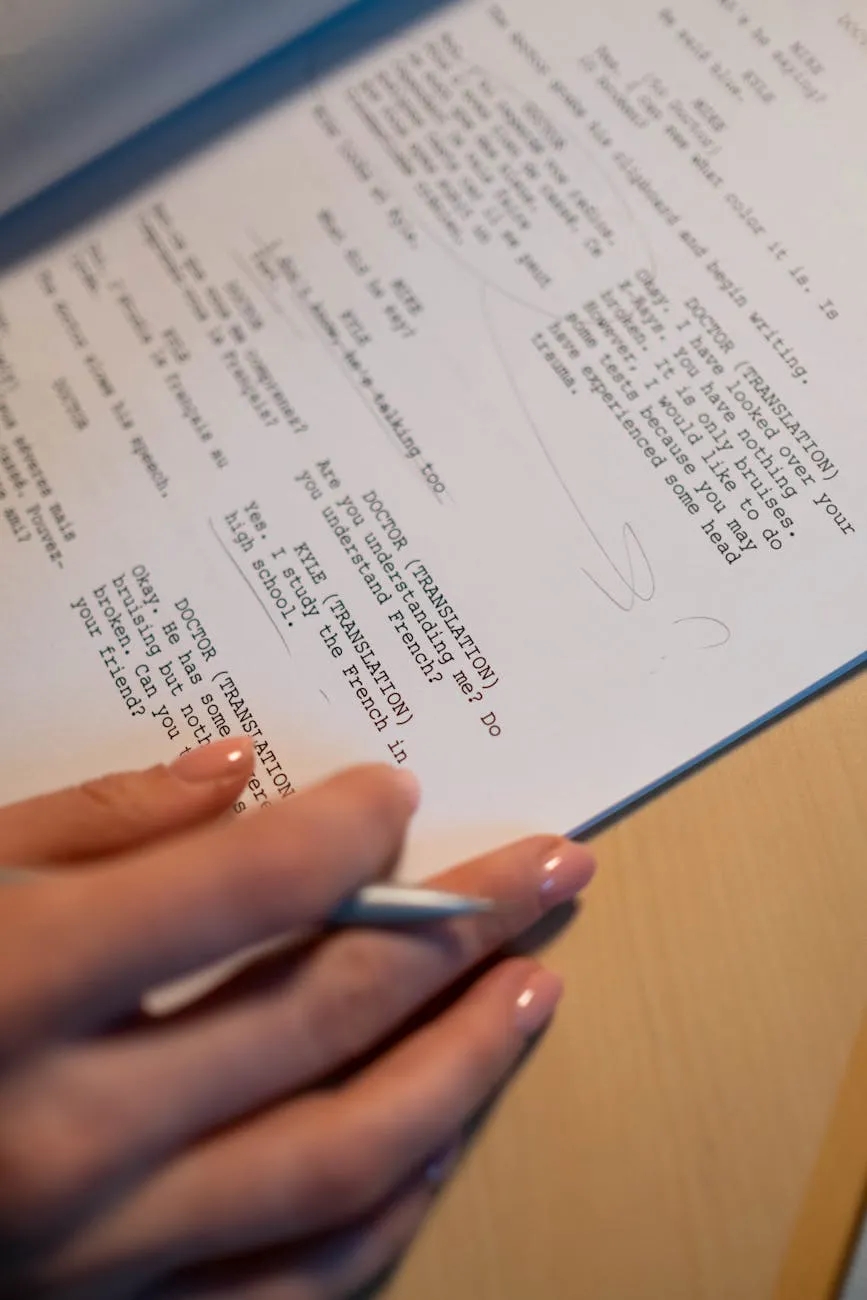
There’s a difference between writing that reads well and writing that sounds well. Your VSL script will be spoken, not read. That changes everything.
Writing for the Ear vs. the Eye
Written text allows re-reading. Spoken words disappear. If someone misses your point, they can’t scroll back up.
This means:
- Short sentences. One idea per sentence. Period.
- Simple words. “Use” not “utilize.” “Help” not “facilitate.”
- Active voice. “You’ll learn” not “Learning will be facilitated.”
- Concrete language. “Make $5,000” not “achieve financial optimization.”
If a sentence takes more than one breath to say, it’s probably too long.
Use Contractions
“You will” becomes “you’ll.” “It is” becomes “it’s.” “Do not” becomes “don’t.”
Contractions sound like how people actually talk. Without them, you sound like a legal document.
Avoid Jargon Your Audience Doesn’t Use
If your audience says “sales page,” don’t say “conversion asset.” If they say “students,” don’t say “learners” (unless that’s genuinely their term).
Match their vocabulary. It builds unconscious trust.
Mark Up Your Script for Delivery
A flat script produces flat delivery. Add annotations that remind you how to speak:
- Bold for emphasis
- Italics for a softer tone
- [PAUSE] for dramatic beats
- [SLOW DOWN] for important points
- [SPEED UP] for energy shifts

Here’s what a marked-up section looks like:
Most course creators launch and hear nothing. [PAUSE] Crickets. [SLOW DOWN] And they assume the problem is their content. It’s not. [PAUSE] The problem is how they’re selling it.
Without the markup, you’d likely deliver every sentence at the same pace and emphasis. The markup creates variation — and variation keeps attention.
Write in “Spoken Paragraphs”
Written paragraphs can run 5-8 sentences. Spoken paragraphs should be 2-3 sentences around one idea, then a beat.
Think of it like this: make one point, let it land, move to the next point. Don’t pile five ideas into one block. The listener needs time to process.
The “Conversational but Intentional” Tone
You’re not scripting a casual chat with a friend. You’re having a focused conversation with a purpose. Every sentence should move the viewer toward the outcome you want.
Conversational means accessible and natural. Intentional means nothing is wasted.
The Ultimate Test: Record Yourself
Read your script aloud. Better yet, record it.
Notice where you stumble — those spots need rewriting.
Notice where you sound robotic — those spots need more natural phrasing.
Notice where you naturally want to add explanation or examples — those gaps need to be filled in.
If reading your own script feels awkward, imagine how a stranger will feel listening to it.
Quick Checklist Before You Finalize
- Can I say any sentence in one breath?
- Have I used contractions throughout?
- Are there any words I’d never say in conversation?
- Is every spoken paragraph 2-3 sentences max?
- Have I marked up emphasis and pauses?
- Have I recorded myself reading it and fixed the awkward spots?
Your script should feel like you’re talking to one person, not addressing a crowd. Keep that in mind with every word you write.
Keep going — you're making progress through Video Sales Letters.
Need help? Email me ↗