Why Audio Quality Makes or Breaks Your Course
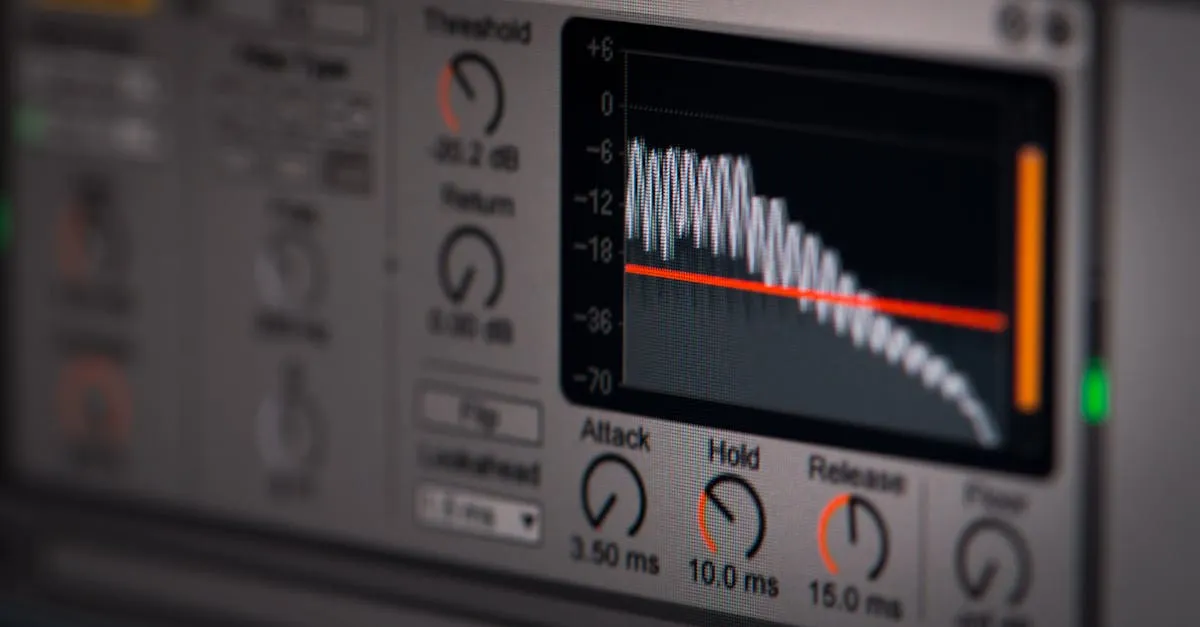
Before we talk about microphones or software, you need to understand why audio quality matters so much. Not as a vague principle — as a measurable fact that affects your course’s success.
The Audio Credibility Effect
When someone listens to your course, their brain makes an instant, unconscious judgment about the quality of your information based on the quality of your sound.
Clean, clear audio: “This person knows what they’re talking about.” Muffled, echoey, hissy audio: “This doesn’t seem very professional.”
This judgment happens regardless of how good your actual content is. You could be teaching the most valuable course in your industry, but if the audio sounds like it was recorded inside a tin can, students will assume the information is low quality too.
It’s not fair. But it’s how human perception works.
Why Audio Trumps Video
Research on multimedia learning has consistently shown that unclear audio increases cognitive load — the mental effort required to process information. When listeners have to strain to understand your words, they have less mental bandwidth left for actually learning the material.
This is why you can watch a grainy webcam video with crystal-clear audio and think “professional,” but you’ll click away from a beautifully shot 4K video with echoey, distorted audio in seconds.
The implication: if you can only invest in improving one thing about your course production, make it audio. A $60 microphone upgrade will do more for your course’s perceived quality than a $600 camera upgrade.
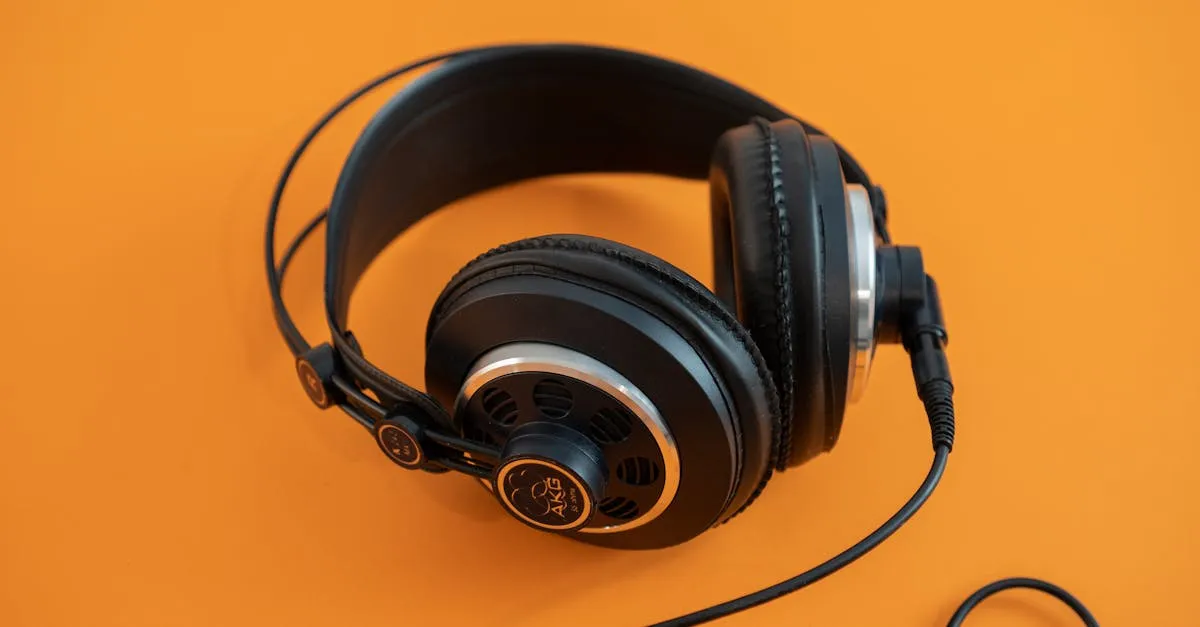
What “Good Audio” Actually Means
Good audio isn’t about sounding like a radio broadcaster. It’s about three things:
Clarity: Every word is understandable without effort. No mumbling, no distance, no muffling.
Consistency: The volume stays relatively even throughout the lesson. No sudden loud bursts or whispered sections that make listeners reach for the volume dial.
Cleanliness: No distracting background noise, echo, hum, hiss, or mouth sounds. The listener hears your voice and nothing else.
You don’t need a $500 microphone to achieve all three. You need the right microphone for your situation, a reasonably quiet room, and proper recording levels.
The Good News
Audio quality is one of the easiest things to improve. Unlike video — where you need camera, lighting, framing, and background — audio has only three variables:
- Your microphone (covered in the next lesson)
- Your room (covered in Lesson 04)
- Your recording levels (covered in Lesson 05)
Get those three right and your audio will sound professional regardless of whether you spent $30 or $300 on equipment.
Let’s start with the microphone.
Keep going — you're making progress through Record & Edit Audio/Podcast Courses.
Need help? Email me ↗